EN

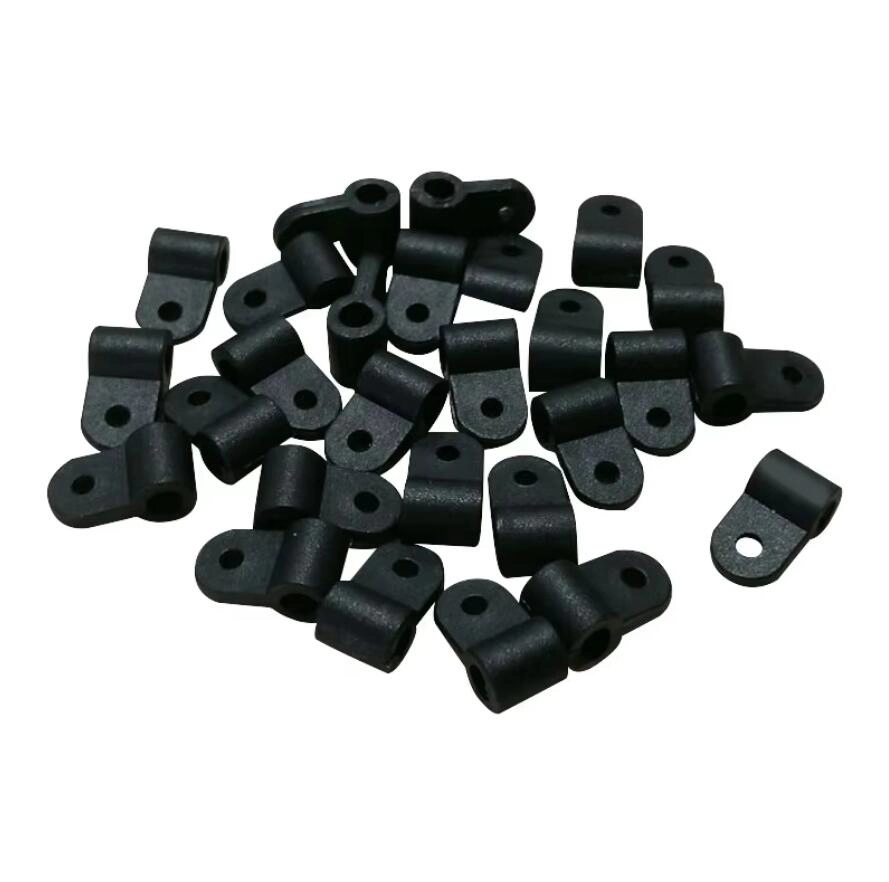
Introduction: A five-piece canopy latch pack gives a club hobbyist spare small plastic parts for field checks and trial fitting across more than one airframe.
Most RC flyers meet a canopy hatch lock latch only when something needs attention: the canopy shifts a little on the bench, or a hatch sits unevenly after a rough landing. That is a poor moment to start thinking about the part. A five-piece pack is interesting because it moves the thinking earlier — it puts a few identical small parts in the flight box before anything goes wrong, and it makes a second or third airframe easier to consider at the same time. This piece explains what that pack quantity genuinely changes for a club or small-workshop hobbyist, and where its usefulness ends.
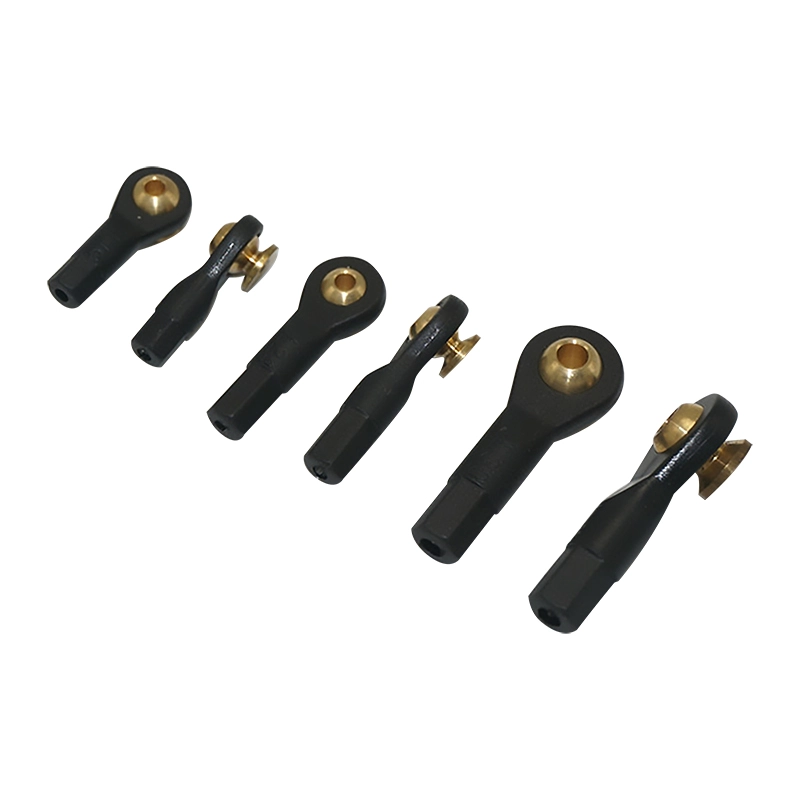
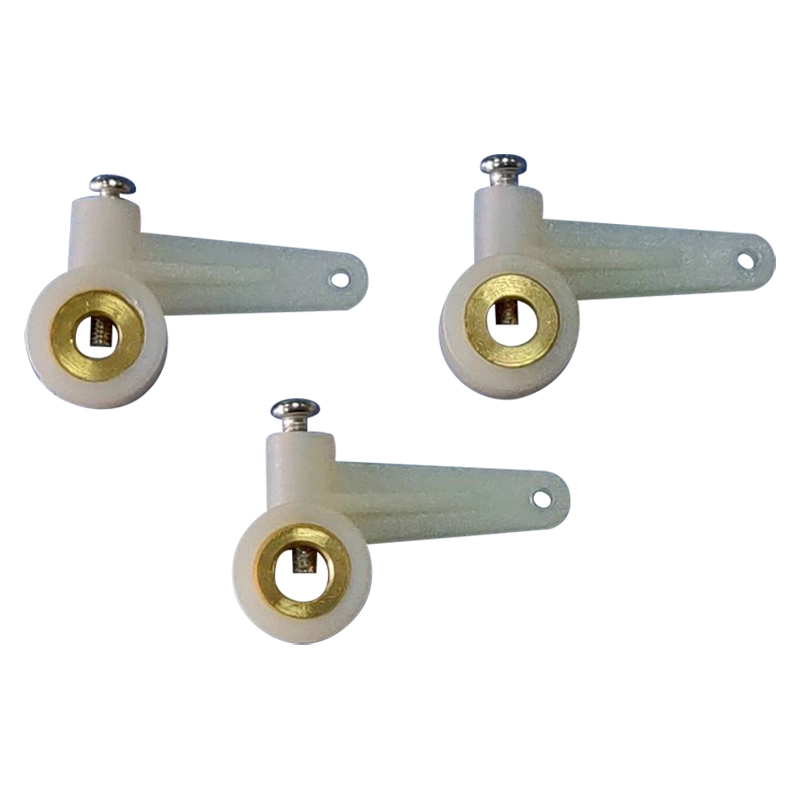
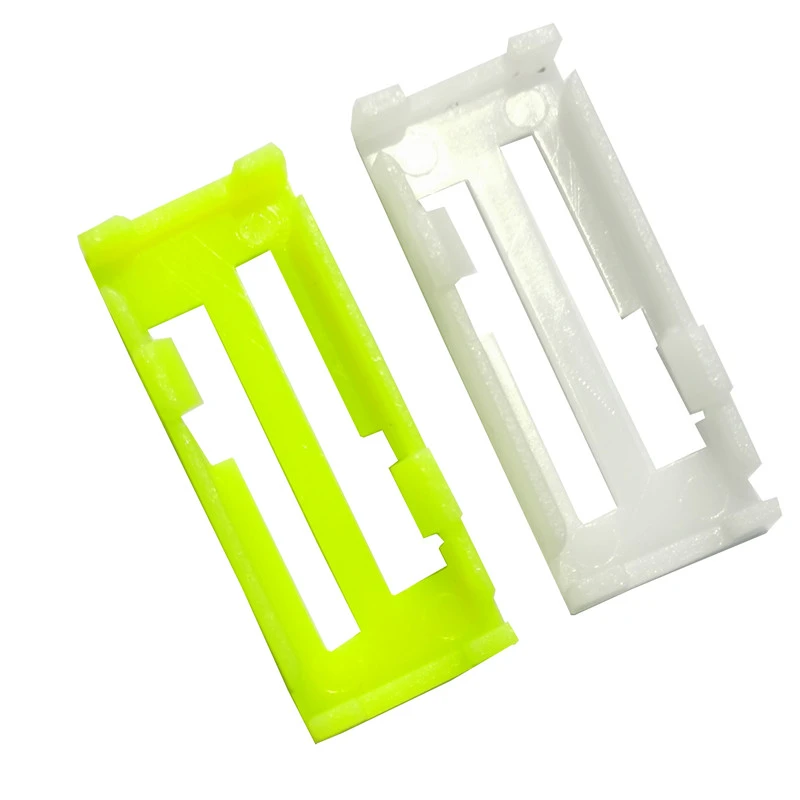
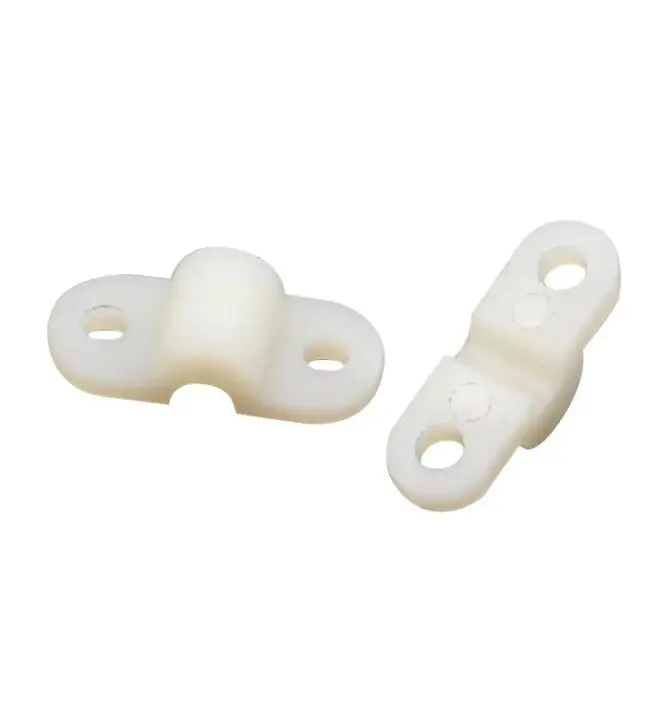
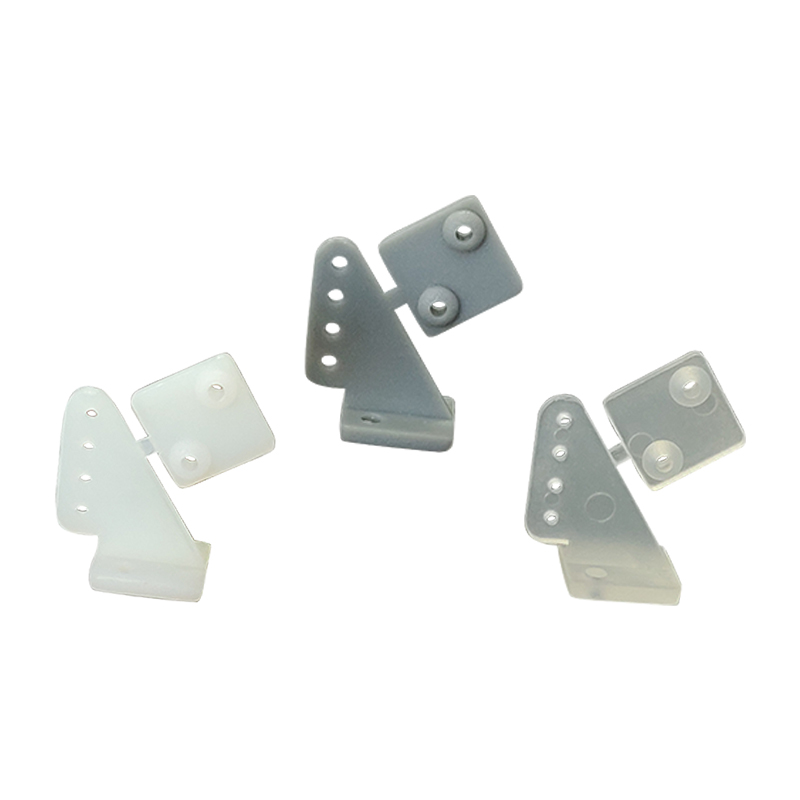
Buying one latch at a time keeps a hobbyist in repair mode. A single part belongs to a single job: it arrives, it goes on, and the model goes back in the car. A five-piece set works differently. You get five identical L23.5 mm latches, each with the same single 3 mm mounting hole and the same lightweight moulded plastic body. Because the parts are identical, they become comparable. You can hold a fresh latch next to the one already fitted and see how the mounting point sits, without waiting on another order or a trip to the shop. That shift — from a part tied to one repair to a part you already own — is the real change, and it takes up almost no space in a flight box. Five also answers a question hobbyists ask themselves constantly: how many of these should I keep around? For someone flying one or two models, five is a sensible working number. It covers the latch that goes on the airframe, leaves spares within reach at the field, and still has enough left over for a second fuselage or a repair on a clubmate's model. Each colour option — Black-5 Pcs, White-5 Pcs and Natural-5 Pcs — arrives as five pieces in one colour, so a pack stays consistent and you are never hunting for a matching piece. The number 5 is a pack quantity fact and nothing else; it says nothing about stock levels, restocking intervals or purchase terms of any kind.
The flight box is where spare-part thinking gets tested. Anything that lives there has to earn its space, and small flat parts have a clear advantage: a latch slips into a pocket beside props and tools and never becomes the reason a bag feels heavy. What matters is what those extra pieces let you do once you are at the field, and how far that help stretches across more than one model.
A field check often starts with a small observation: the canopy rocks a few millimetres when you press the trailing edge, or there is a light rattle when the model is lifted. Having a spare rc canopy latch in the box turns that moment into something you can act on immediately. You can set the fitted latch beside a fresh one, look at how the single mounting hole is seating against the fuselage side, and re-fix the mounting point if the hole has opened up or the fixing has worked loose. If the fitted part looks distorted or cracked, a replacement is right there in the same pack. That is the practical value: options on the spot, without a grounded model and a wait. The spare does not decide anything for you — it simply keeps the decision inside the same afternoon.
Five latches are also five chances to try a fit on a second or third airframe before committing to anything permanent. That only works if you keep notes. Measure the canopy lip where the latch sits, check the hole position on the fuselage side, and compare the L23.5 mm body length against the space available. Dry-fit first: hold the latch in place, close the canopy, and confirm the body sits flat and the 3 mm hole lines up cleanly with the mounting point. A thin foam canopy and a glass or plastic one behave differently under the same latch, so record what you found model by model. A pack that rattles around one bag with no notes attached quickly loses its usefulness, while a pack with a short written record behind it becomes a genuine fitting aid.
Spare-part thinking and bulk purchase planning get confused because both involve more than one piece. They answer different questions. Spare-part thinking asks what you want within reach when you are standing at the field with a model on a bench: one latch to install, one or two spares, and perhaps a third for a second fuselage. Bulk planning asks how many units to buy across a season, at what terms, and on what schedule. A five-piece pack answers the first question completely and the second one not at all. Treating the pack size as a signal about purchasing volume is the most common misreading, and it leads hobbyists to expect things from a quantity that a quantity cannot deliver. The colour variants make the distinction concrete. Three packs — black, white and natural — give a hobbyist a simple way to assign a colour to a model. A club flyer with three airframes might keep black with the aerobatic model, white with the foam trainer, and natural with the unfinished project, so a spare pulled from the box is obviously heading back to the right plane. That is recognition and organisation at the field, and it is a use benefit rather than a purchase benefit. One practical note: fasteners are not confirmed as part of the pack, so plan on supplying your own pin, screw or wire clip through the single mounting hole. Compo RC lists the latch in those three colour packs, and the listing is worth reading for the size figures rather than for anything about supply terms.
A five-piece canopy hatch lock latch pack is a small purchase that changes how you think rather than how much you spend. It gives you five identical L23.5 mm latches with a single 3 mm mounting hole, a lightweight moulded plastic body and a colour that can be tied to a particular airframe. The useful part is what that does at the field: a comparison piece when a canopy check turns up play, a trial-fit candidate for a second model, and a spare you never have to think about until you need it. Keep the pack with a short note on sizes and colours, and leave the questions about volume and terms somewhere else entirely.
A: The pack puts five identical small latches in your flight box so you have one to install plus spares within reach at the field. Because all five share the same L23.5 mm length and single 3 mm mounting hole, any piece can be compared against a fitted latch, used for a dry fit on another airframe, or kept back for a second fuselage.
A: Yes, and that is one of the better uses for the extra pieces. Measure the canopy lip and hole position on each model, dry-fit the latch before fixing it, and note the result per airframe so you know which model the piece came from. Foam, glass and plastic canopies all need their own note.
A: Keep them flat in a small pocket or bag, away from heavy tools that could distort the moulded plastic body, and keep the colour packs separated so black, white and natural stay identifiable. A slip of paper listing L23.5 mm length, the 3 mm hole and which model each pack belongs to saves a lot of guesswork at the field.
Plastics: A simple introduction - Explain that Stuff
Advertising and Marketing - Federal Trade Commission
Copyright © 2005-2026 MySite Ltd. All Rights Reserved. POWERED BY UEESHOP