EN

Introduction: A worn canopy latch changes how the canopy sits, opens, and feels, so replacement makes sense only when wear symptoms are clear.
A loose canopy can be annoying, but it can also be misleading. The rc canopy latch, or rc canopy lock, is a small plastic part with a simple job: hold the canopy edge against the fuselage while still letting you open it for battery changes, receiver swaps, servo checks, bench setup, and field checks. When that action starts to feel different, the first question is not which replacement to buy. The first question is whether the latch is worn, whether the mounting point has loosened, or whether the canopy itself has changed. this guide explains the signs that matter, the friction behind them, and the point where a new rc canopy latch is a reasonable answer rather than a guess.
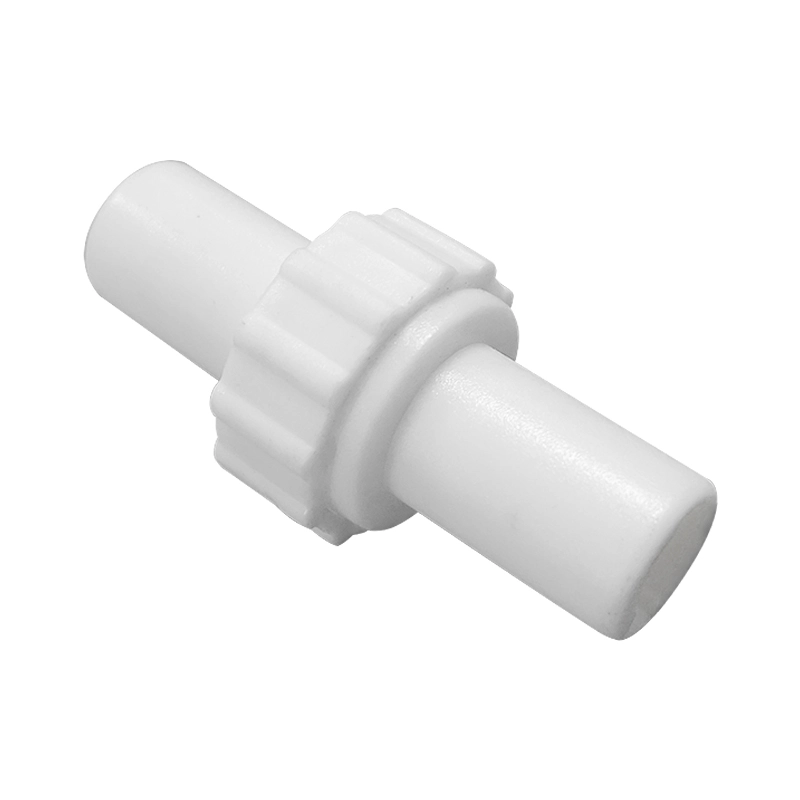
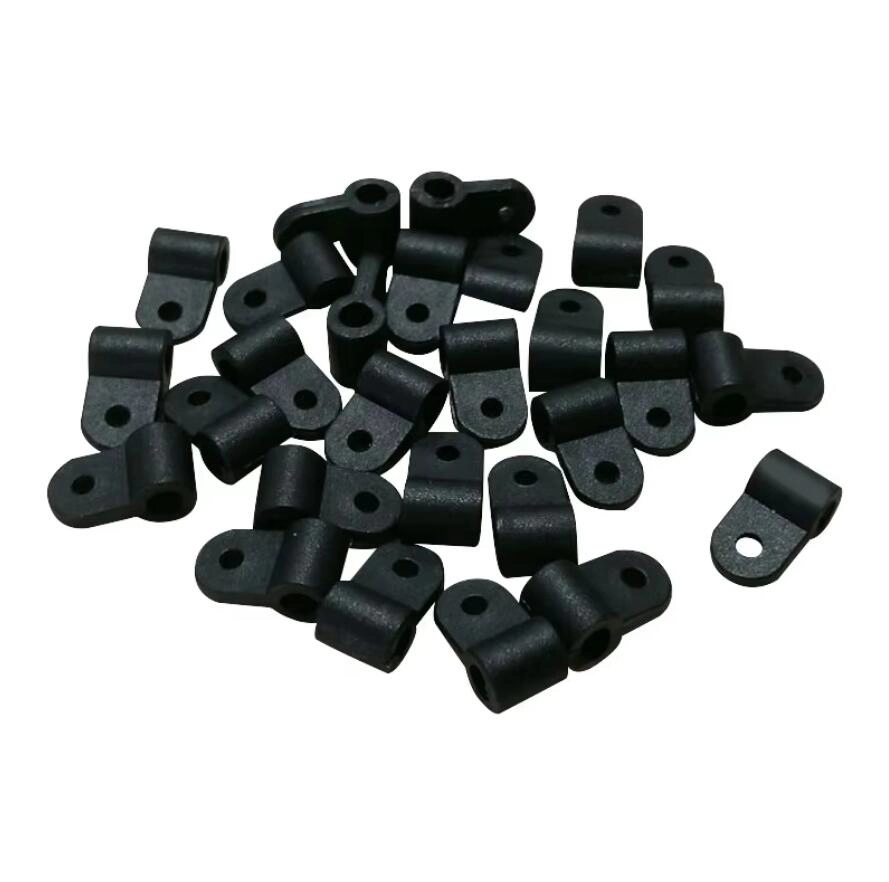
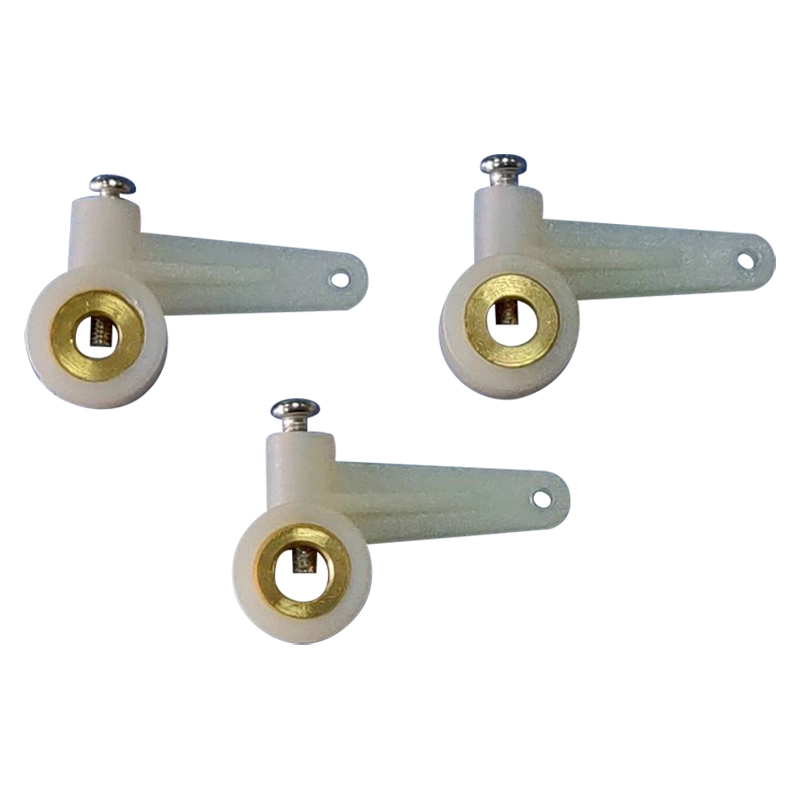
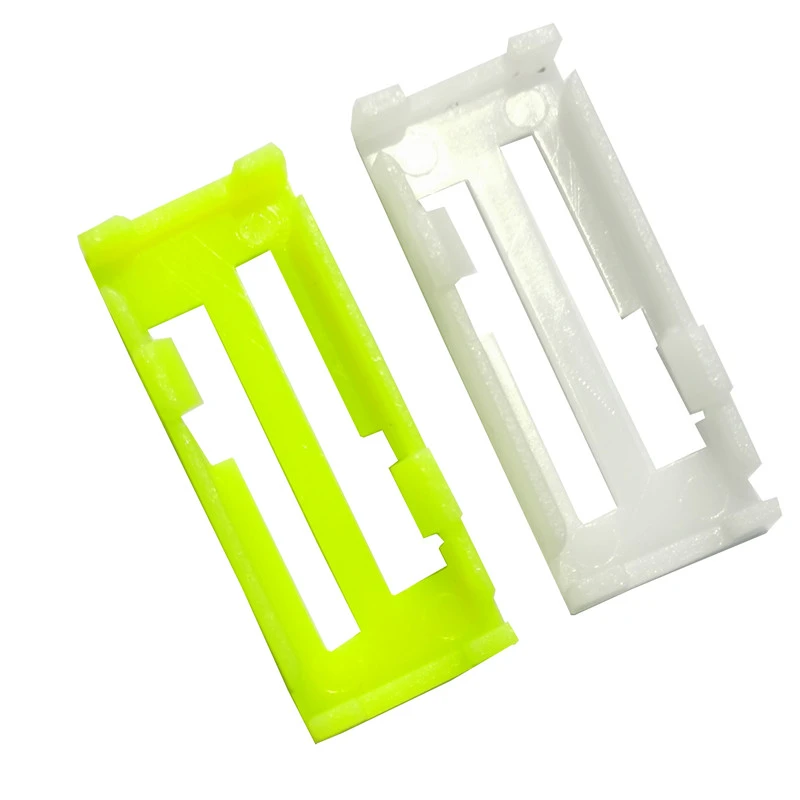
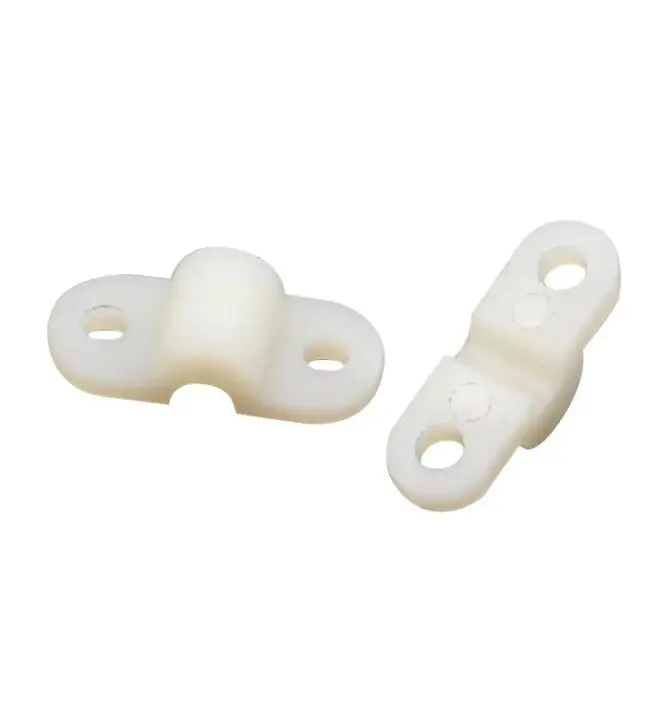
Every open-and-close cycle rubs two surfaces against each other. On a canopy latch, those surfaces are the molded plastic body, the edge of the canopy, the fuselage side, and the fastener area around the single mounting hole. Basic friction principles explain why this matters: contact resistance is highest where the surfaces are pressed together, and repeated movement works at the same small area until the fit changes. The latch does not need to look broken for the action to feel different. A slightly oval hole, a polished contact patch, or a tiny ridge worn into the plastic can change the way the canopy seats. The design makes that wear easy to notice. This latch has a listed length of L23.5 mm, a single mounting hole, and a 3 mm hole size. It has no spring and no threaded insert, so there is no separate spring tension or metal thread to mask small changes. No special tool is required for the simple fixing. The molded body, the hole, and the fastener you choose do most of the work. That simplicity is useful for inspection: when the canopy starts to rock, click late, or sit slightly proud at one corner, the latch and its mounting point are the first places to look. The same check fits bench setup and field checks because it is visual and touch-based, not a workshop procedure. Plastic small parts also change at edges and contact faces before they fail in an obvious way. Molded plastic can burnish, compress, or develop a small lip where the canopy edge rubs. Those changes are normal wear signals, and they sit within the latch area rather than pointing to the whole airframe. The useful habit is to compare the current feel with the feel when the latch was fresh: does it still pull the canopy down evenly, or does it need a small lift or press before it catches? That comparison tells you more than a quick look at the surface.
Loose is a symptom, not a diagnosis. A canopy can feel loose because the fastener has backed out, because the hole has opened up, because the canopy edge has crushed inward, or because the latch body has worn at its contact point. The canopy hatch lock latch only holds well when the canopy edge and the fuselage side meet in the same place each time. If the canopy has shifted, the latch may look fine while the closing action feels vague. Start by checking the mounting point and the canopy alignment, then judge the latch. This order keeps a simple loose fastener from being treated as a worn part. Fastener inclusion is not confirmed, so match the pin, screw, or wire clip to the 3 mm hole and the airframe you are working on.
A single-hole fixing concentrates movement at one point. If the latch can be rocked slightly around its fastener, or if the hole in the plastic has become oval, the latch body is moving before the canopy edge is fully pressed down. That movement can make the canopy feel loose even when the fastener is tight. A little play may come from the fastener seating, but repeated play after rechecking points toward wear at the hole or the contact face. This is where the 3 mm hole and the molded body deserve a close look: a clean round hole and a flat contact face behave differently from one that has been worked open.
Surface marks are common on a working latch. Scuffs, a dull patch, or a light polish line show where contact happens, and they are not enough on their own to justify replacement. Cracks, whitening at a bend, a curled edge, or a deformed lip matter more because they change how the part transfers force. On a plastic canopy latch, a crack near the mounting hole or a bent contact edge can let the canopy lift or sit unevenly even if the latch still clicks. If the latch is cracked, replacement is reasonable. If the edge is merely marked, inspect the canopy and mounting point before buying a new part.
Replacement is reasonable when the same wear symptoms return after the mounting point has been checked and the canopy alignment is sound. A worn latch that rocks at the hole, has a deformed contact edge, or no longer pulls the canopy down evenly is a good candidate for replacement. This part is intended for old-latch wear on traditional built-up fuselages, and it also suits foam canopies and electric model canopies where a simple single-hole latch is used. A fresh latch restores a clean contact face and a round mounting point, which makes the opening and closing action easier to read again. Replacement is not a permanent repair; it resets the part, and normal inspection takes over from there. Further inspection matters when the latch is not the only changed part. If the canopy shell is cracked, the canopy edge is crushed, the fuselage mounting surface is soft, or the canopy no longer lines up without being held, a new latch may only hide the real problem for a short time. The same applies when the fastener keeps loosening or when the hole in the airframe has enlarged. In those cases, the right next step is to understand the canopy and mounting point first. Load, service life, and flight safety depend on the whole model, so a canopy lock should be judged as one small part in a larger inspection habit. A practical way to decide is to watch the action over several openings. If the latch needs a new trick to catch, if the canopy sits proud at the same corner, or if the latch body moves around its single screw, the wear signal is strong enough to consider replacement. If the action is vague only after the model has been handled or after the canopy has been removed and refitted, check alignment and fastener seating first. The goal is not to replace every part that shows a mark. The goal is to replace the part whose shape or fit has actually changed, then confirm that the canopy opens and closes cleanly again.
A worn canopy latch is usually recognised through small changes in feel, not through a dramatic failure. Friction at the single mounting point, a polished contact face, a slightly oval hole, or a deformed edge all tell a story about how the part is working. Replacement is a sensible step when those symptoms remain after the canopy and mounting point have been checked. It is not a cure for every loose canopy, and it is not a permanent repair. The better habit is to observe the opening and closing action, separate simple looseness from real wear, and replace the latch when the part itself has clearly changed.
A: Common signs include a latch that rocks around its single mounting hole, a hole that has become oval, a contact edge that looks flattened or curled, and a canopy that sits proud at the same corner even after the fastener is checked. A worn latch often needs a small lift or press before it catches. Simple looseness tends to follow the fastener or canopy alignment, while wear follows the part itself.
A: No. Replacement helps when the latch body, hole, or contact edge has worn, but it will not correct a cracked canopy, a crushed canopy edge, a soft fuselage mounting point, or a fastener that keeps loosening. In those cases, the canopy and mounting area need attention first. A new latch is a fresh part, not a permanent repair for every loose fit.
A: Inspect further when the latch still looks sound but the canopy feels vague, when the canopy does not line up without being held, or when the fastener loosens repeatedly. Check the canopy edge, the fuselage mounting surface, and the hole in the airframe before buying a replacement. If the latch itself rocks at its hole or has a cracked or deformed edge, replacement is reasonable; if the surrounding canopy has changed, solve that first.
Plastics: A simple introduction - Explain that Stuff
Recreational Flyers & Community-Based Organizations - Federal Aviation Administration
Copyright © 2005-2026 MySite Ltd. All Rights Reserved. POWERED BY UEESHOP