EN

What input on your transmitter changes your model’s altitude? Many new pilots automatically assume this job belongs to the elevator stick for pitch control — and you are far from alone if that’s what you believe.
This common assumption, however, is not correct. A core principle from aviation, which applies equally to full-size aircraft and RC models, tells us that power, not pitch, governs altitude. Pitch, controlled by the elevator, sets the angle of the aircraft’s nose relative to the horizon. It is throttle power that we rely on to climb or descend.
Take the final landing approach as an example. You typically reduce power to scrub off airspeed, and this reduction in power also lowers your altitude. Both effects work together to establish the correct glide path for landing.
You will still use elevator pitch to adjust the nose attitude against the horizon. This control becomes especially important in ground effect, where airspeed drops further. You pull elevator to flare, raising the nose, for a smooth and safe touchdown.
To sum up: Power manages altitude and airspeed. Pitch sets the aircraft’s attitude relative to the horizon. Skillful coordination of both controls is the key to steady, predictable flight and reliable landings.
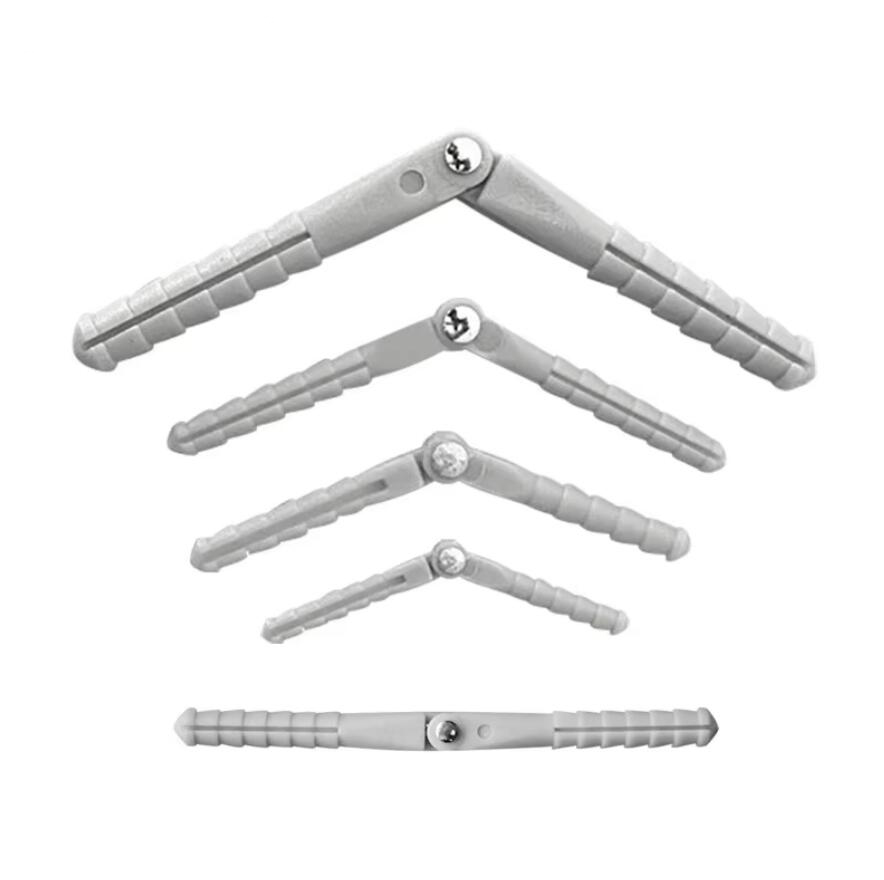
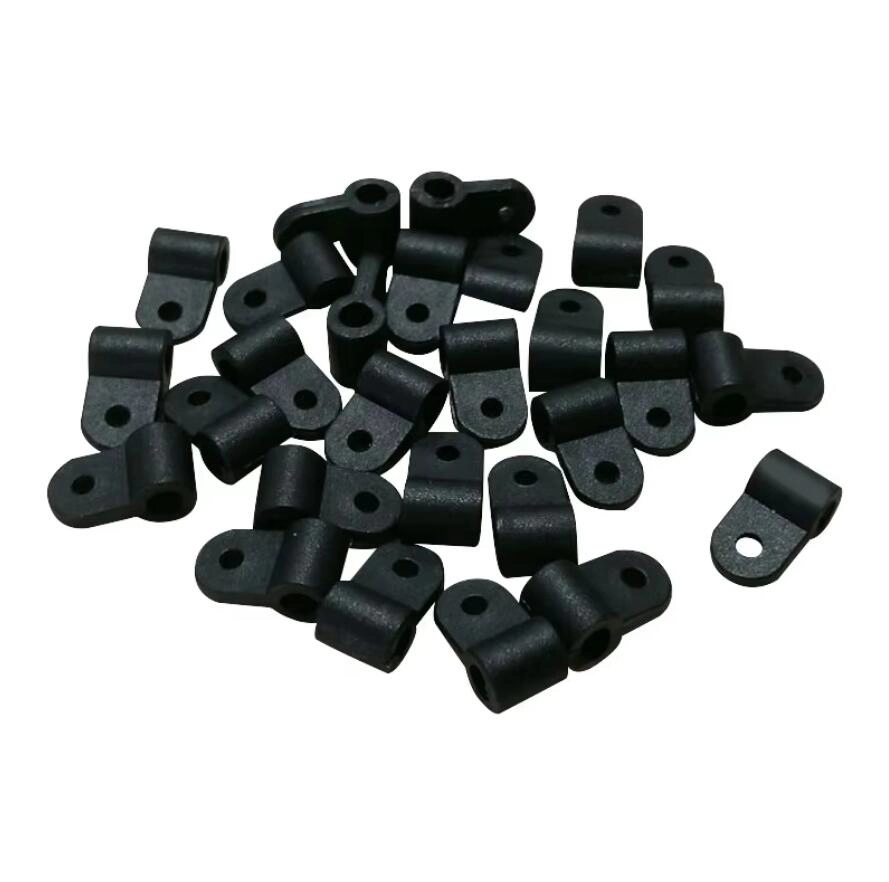
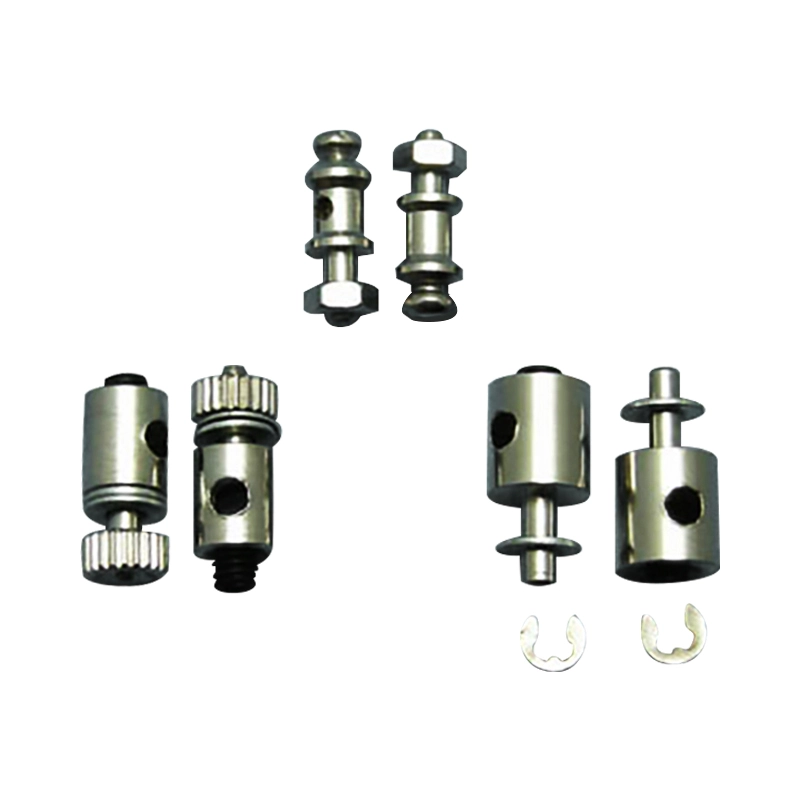
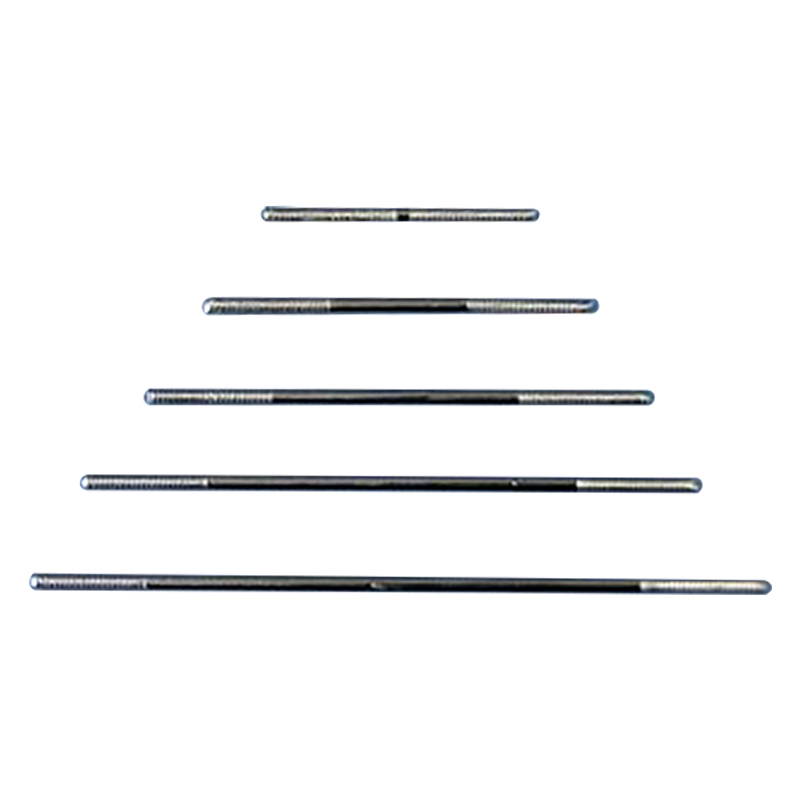
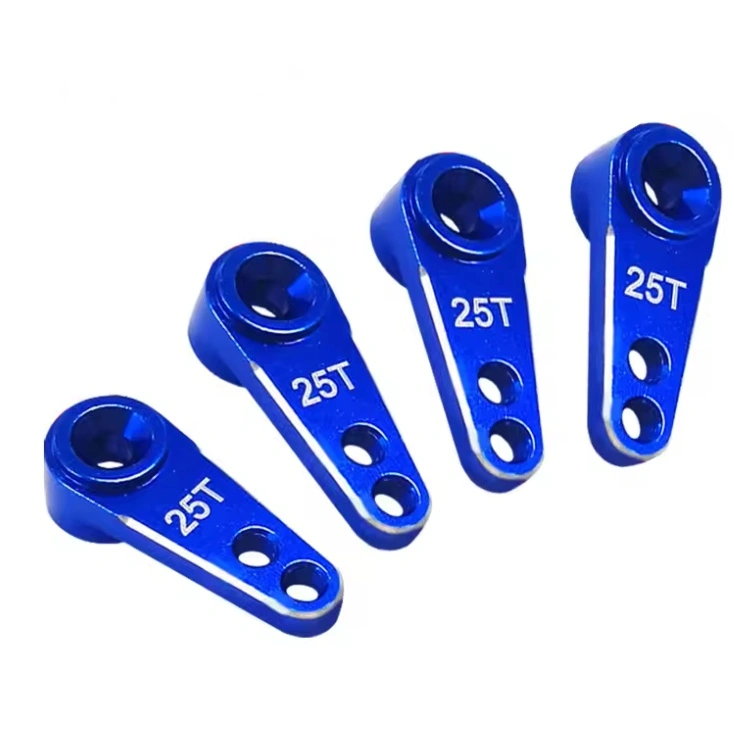
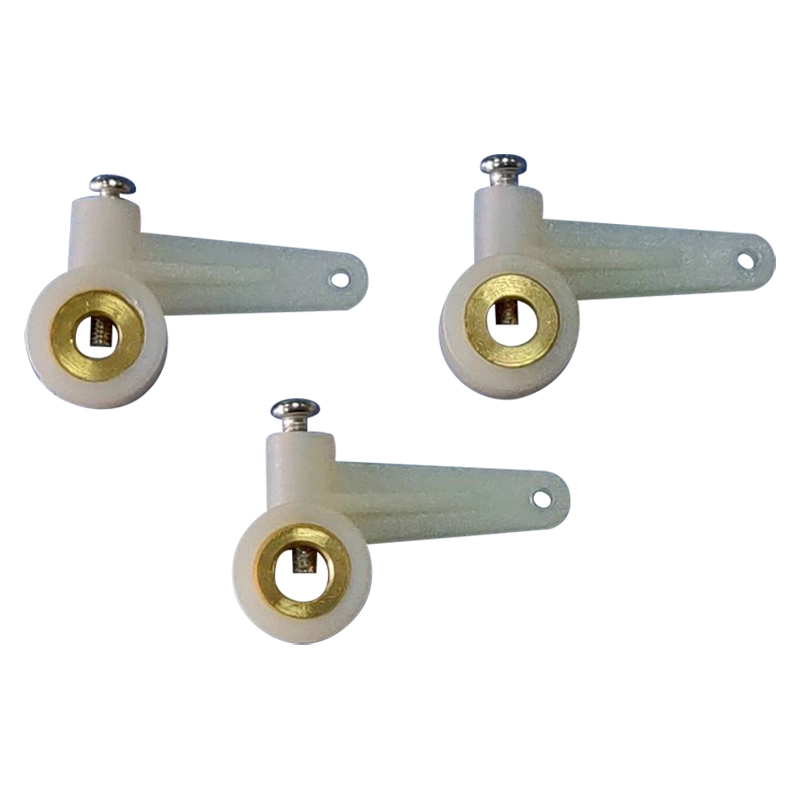
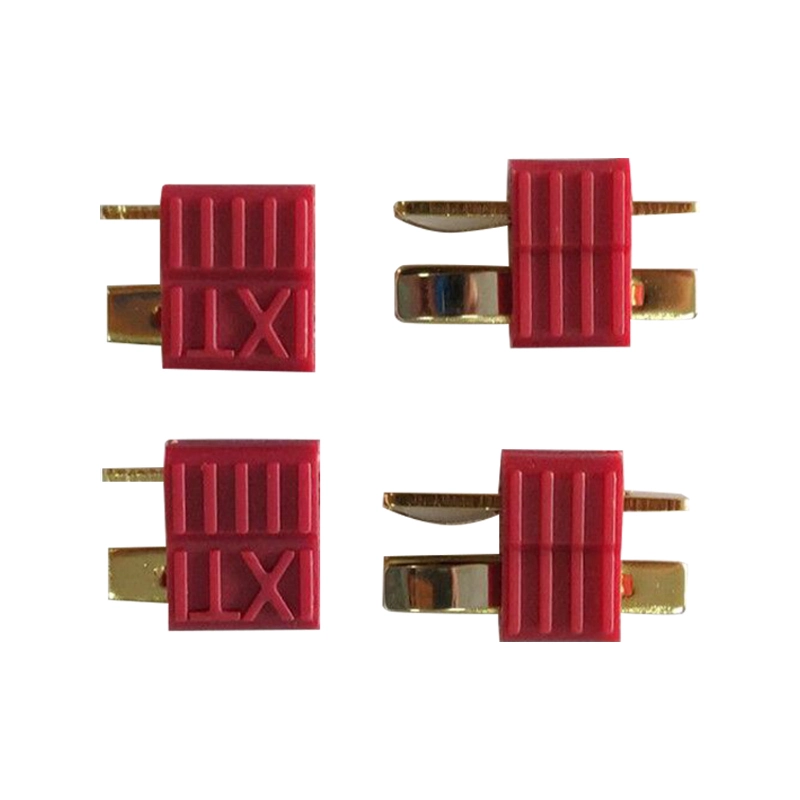
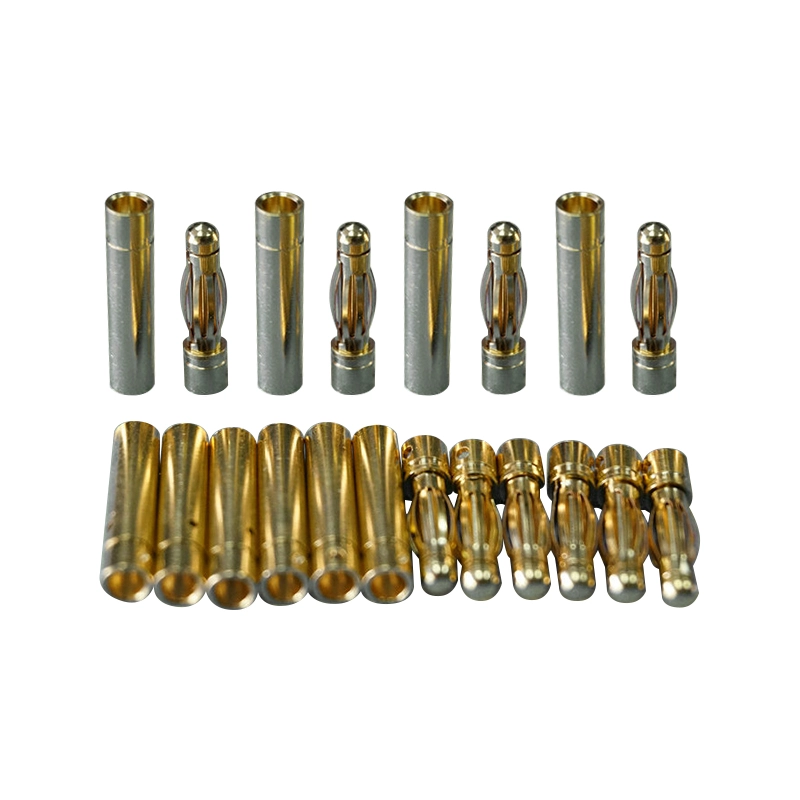
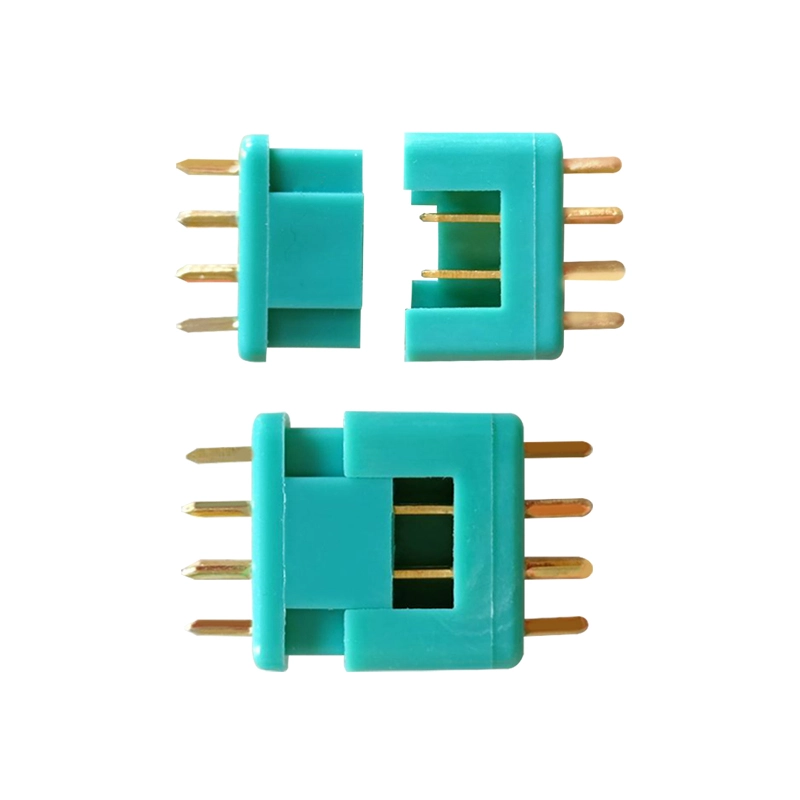
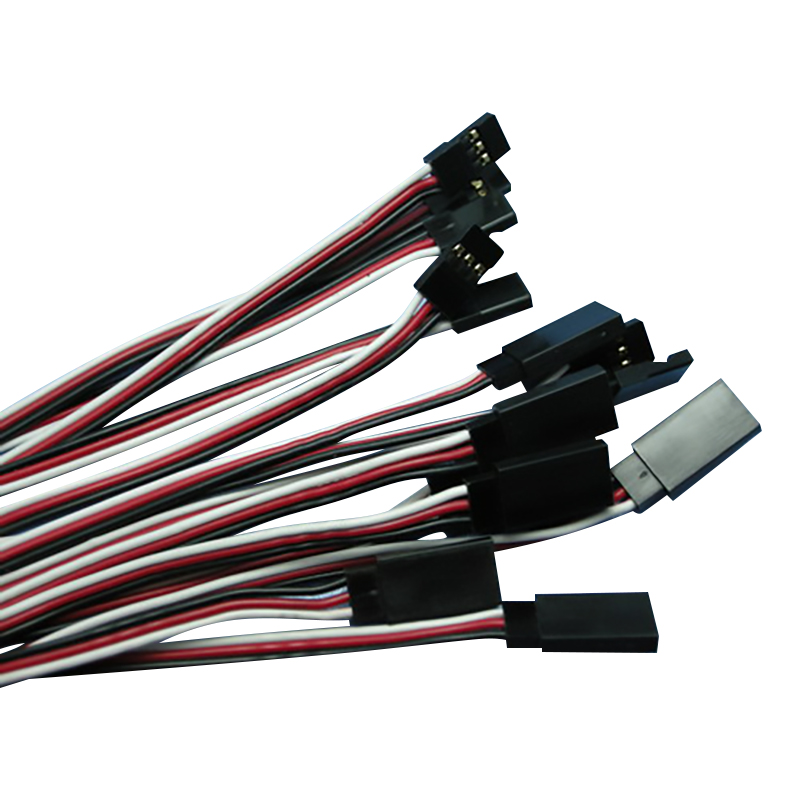
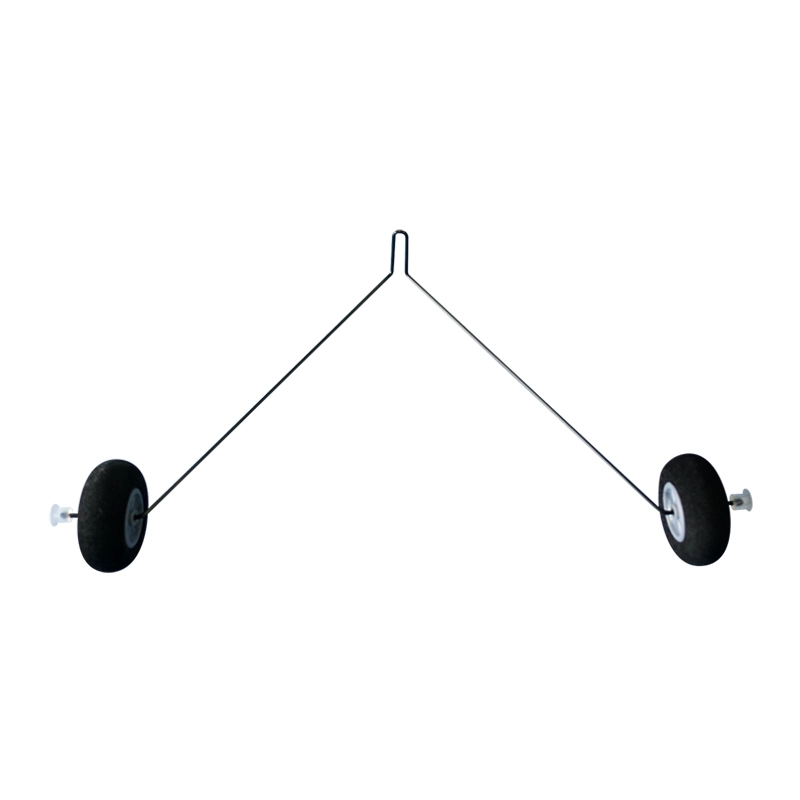
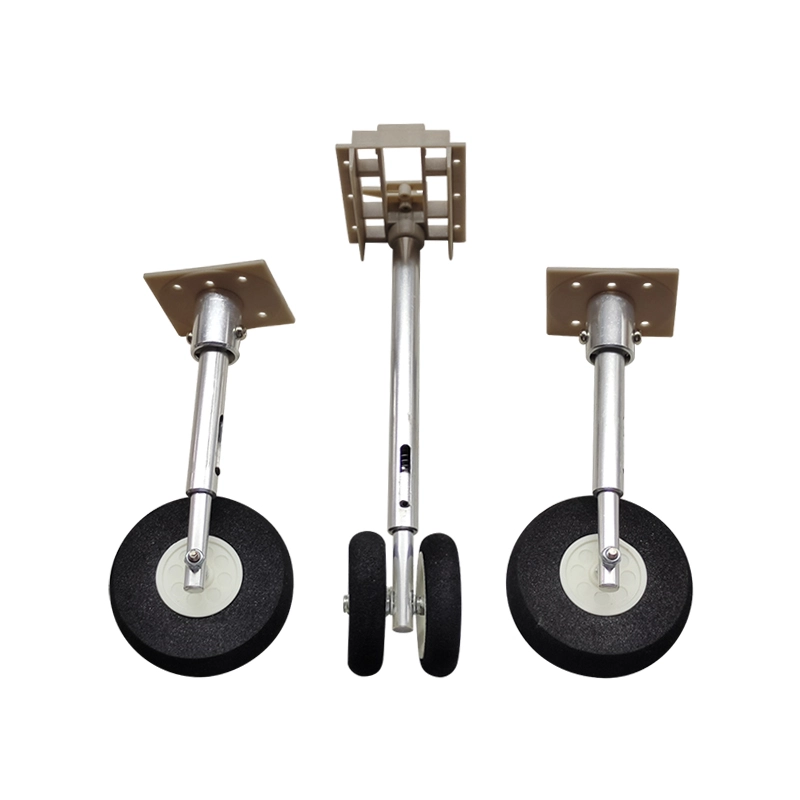
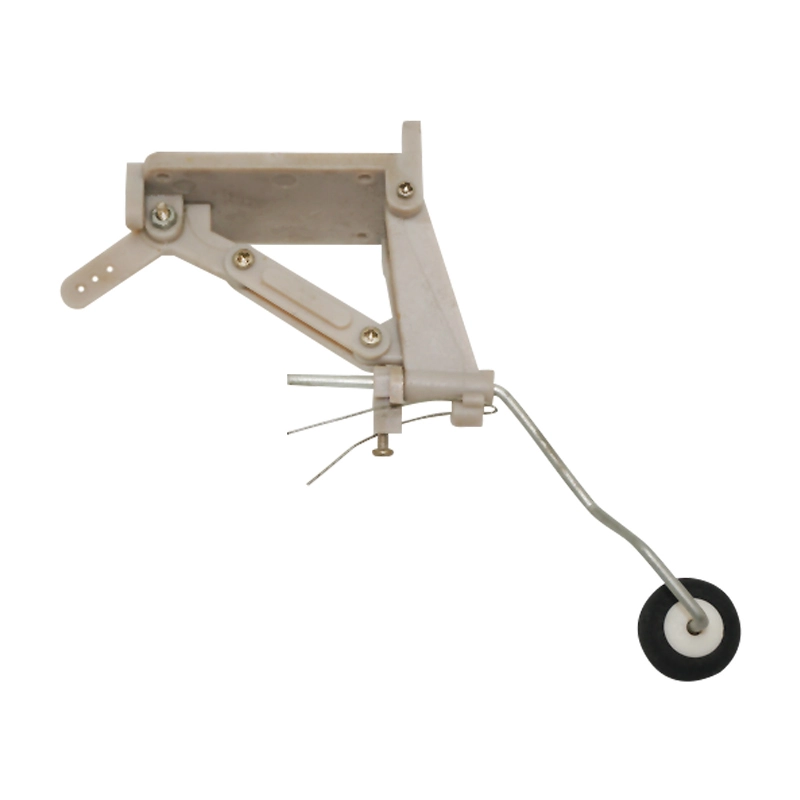
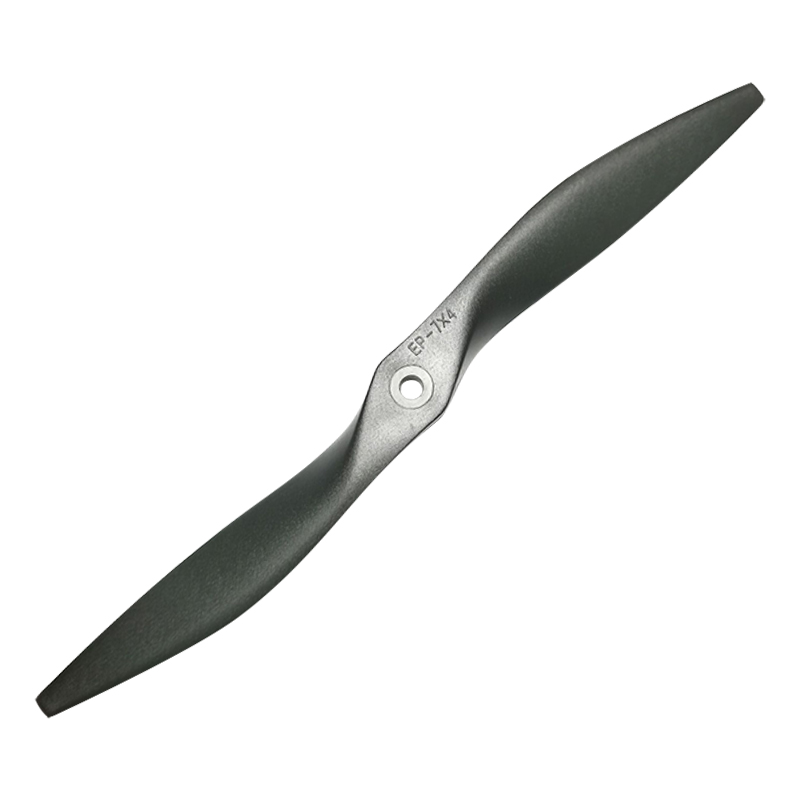
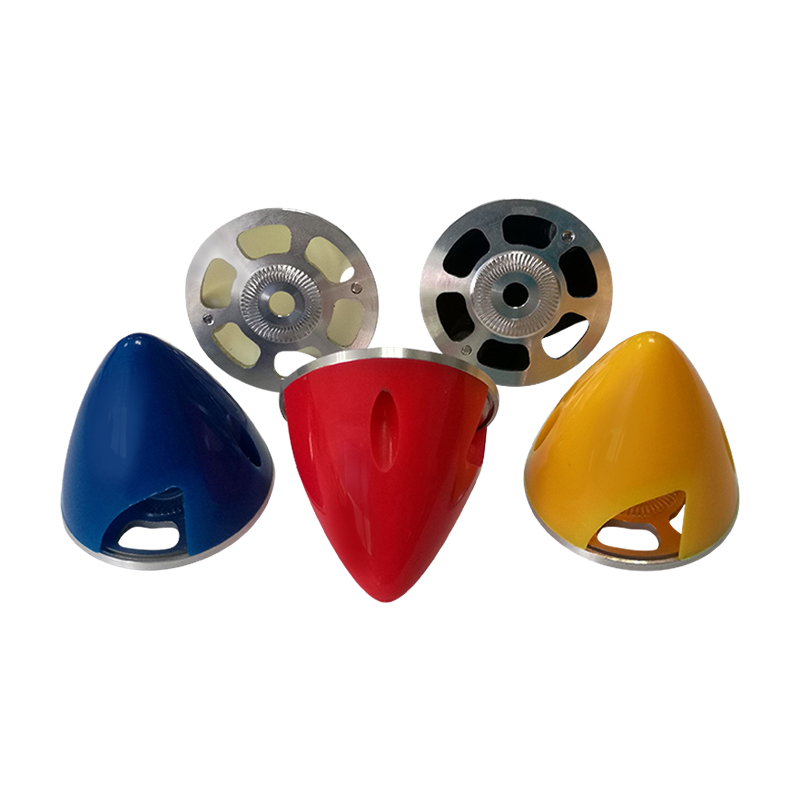
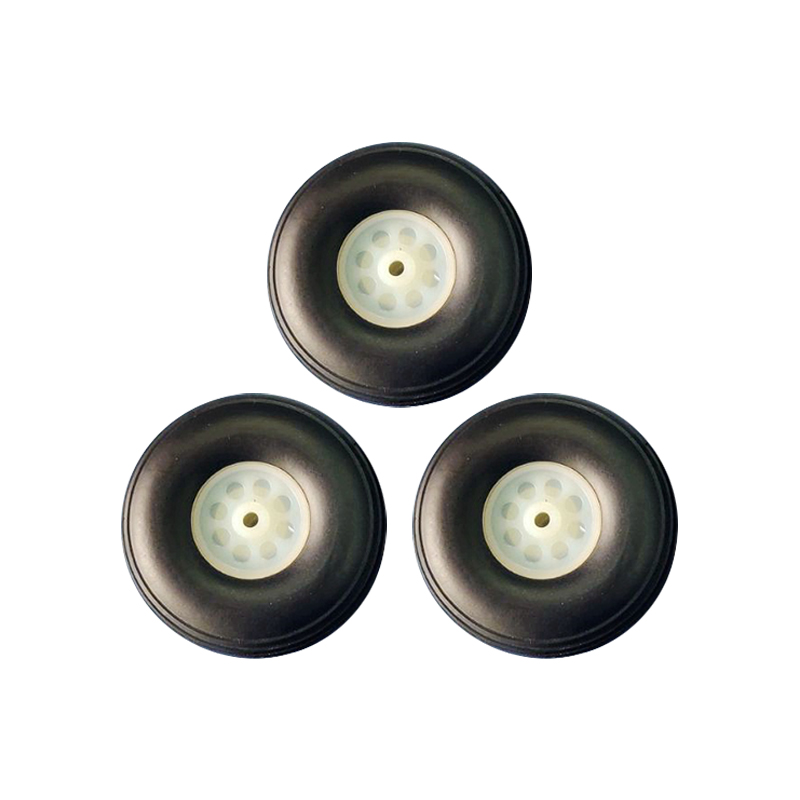
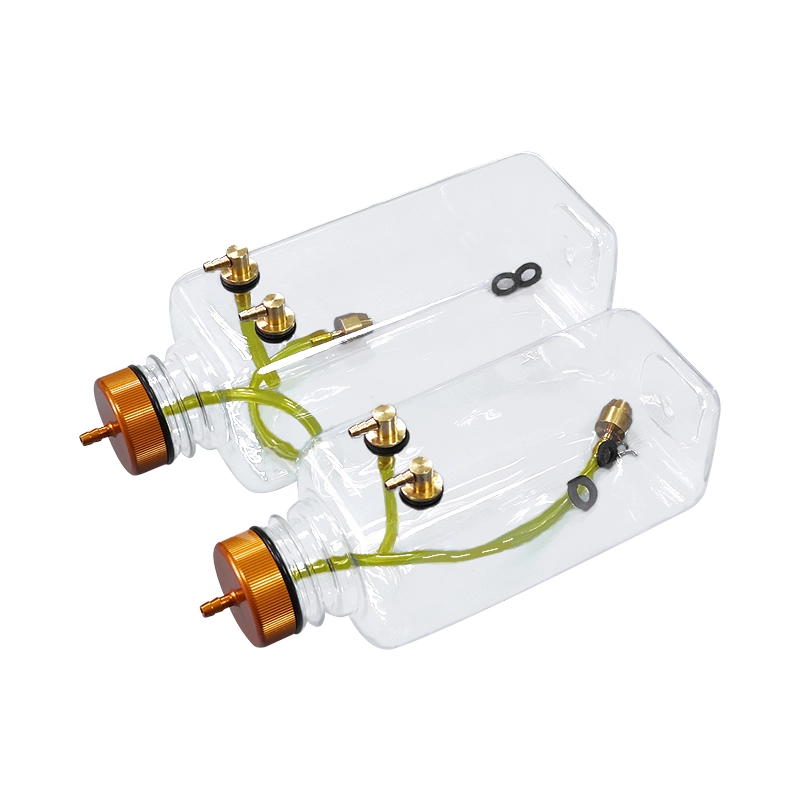
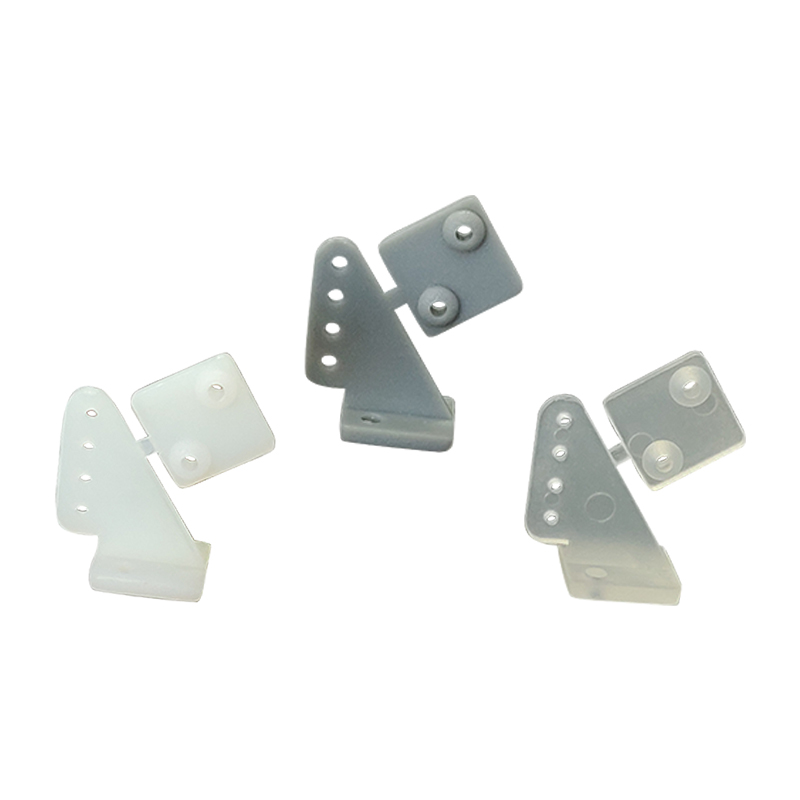
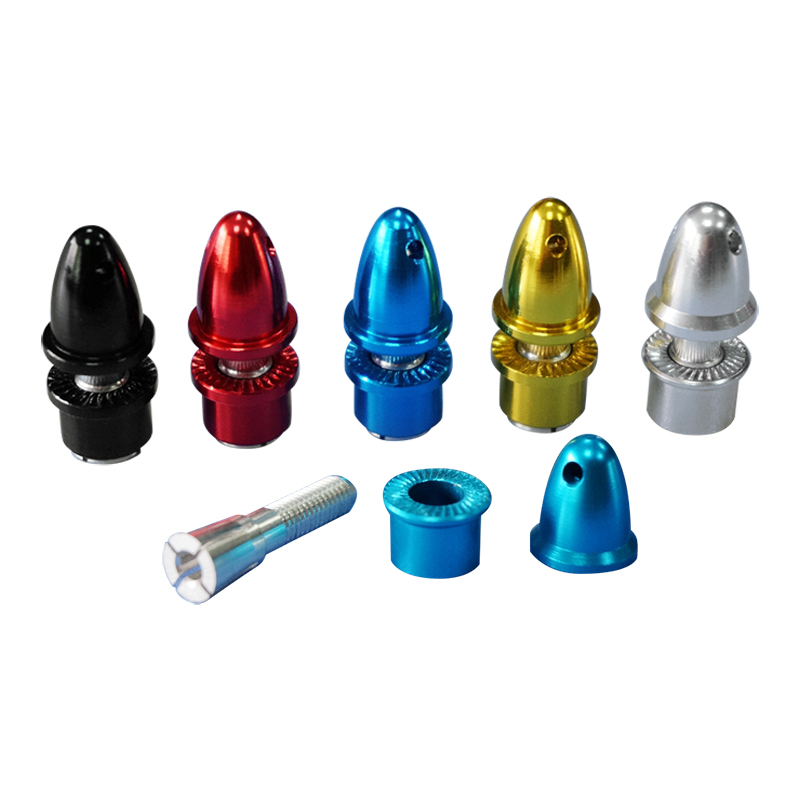
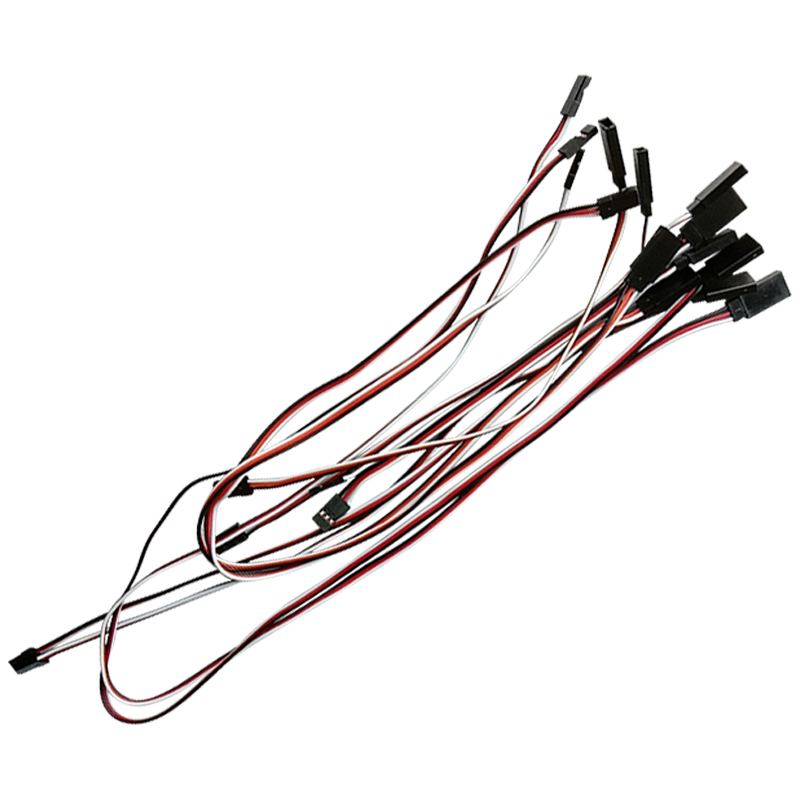
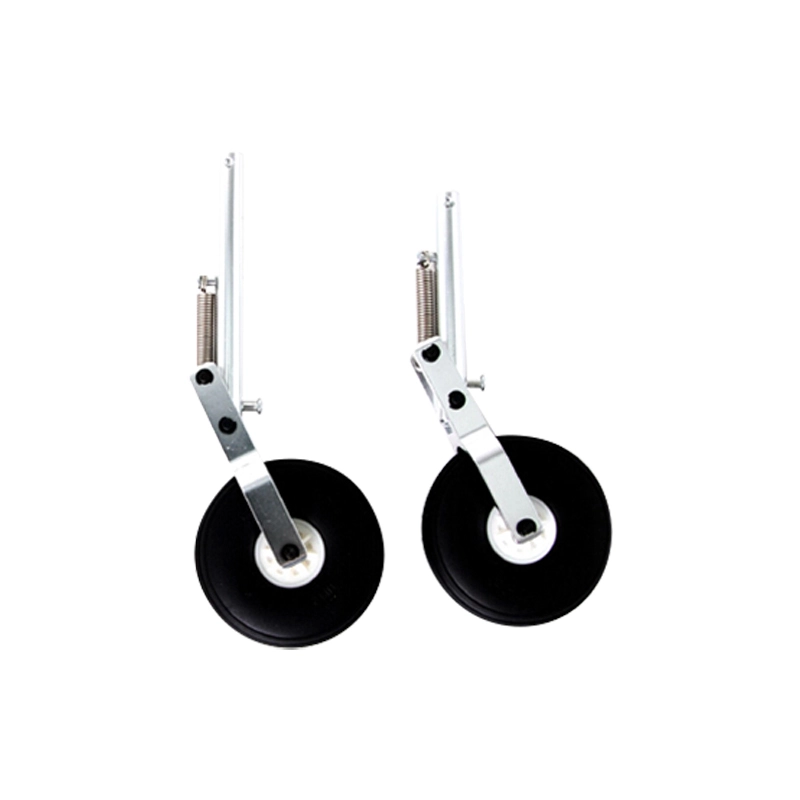
Browse our Compo RC range of RC aircraft accessories to support your build and setup. Happy flying, and land safely!
Copyright © 2005-2026 MySite Ltd. All Rights Reserved. POWERED BY UEESHOP