EN

There is a well‑known saying in aviation:
Takeoffs are optional. Landings are mandatory.
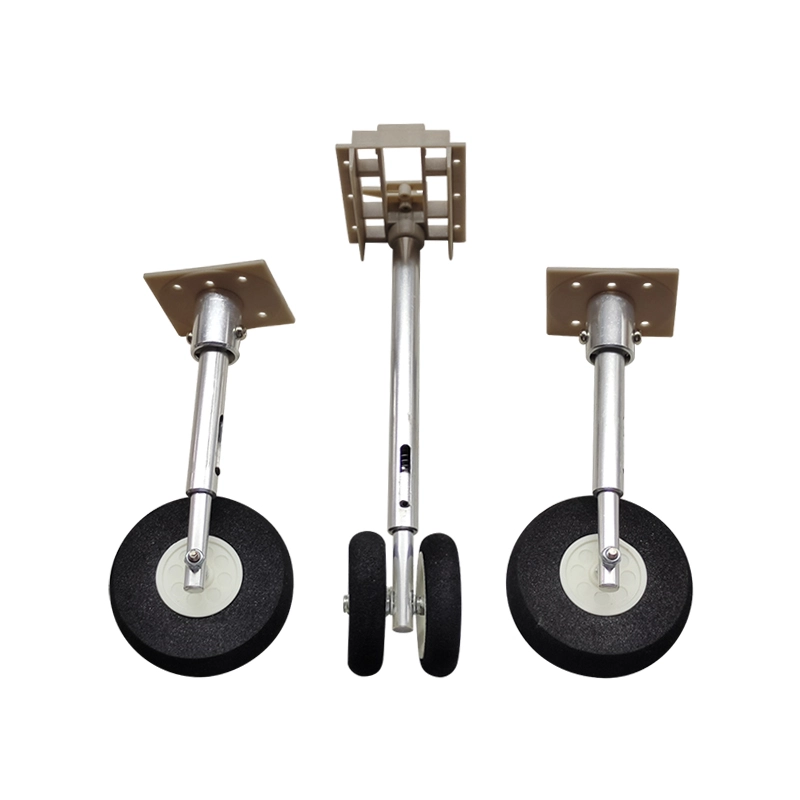
Once your model is airborne, landing is the only unavoidable part of every flight — and naturally, we aim to complete it safely and keep the airframe intact. A clumsy landing can easily spoil an otherwise great flight. Mastering a smooth landing protects your aircraft and landing gear, and it brings a wonderful sense of satisfaction to wrap up your flight well.
This guide walks you through the core steps to nail a reliable landing. We will use a high‑wing trainer with tricycle landing gear as the example, but these same principles apply to nearly all RC model aircraft.
First, let’s cover the standard landing pattern. This rectangular flight path is split into separate segments called legs.
Now that you understand the pattern layout, let’s go through how to set your model up for a steady landing.
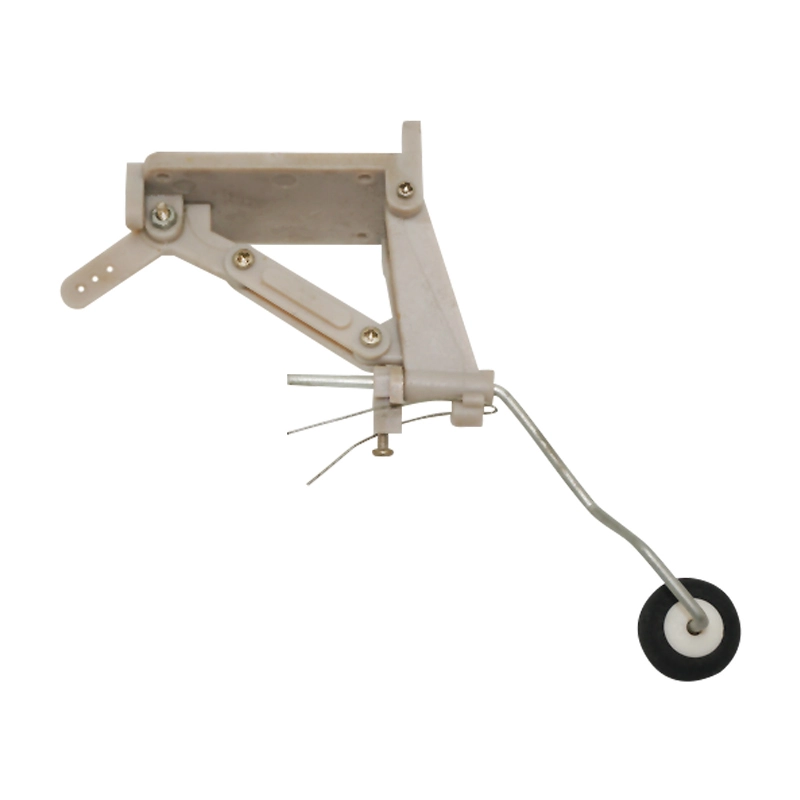
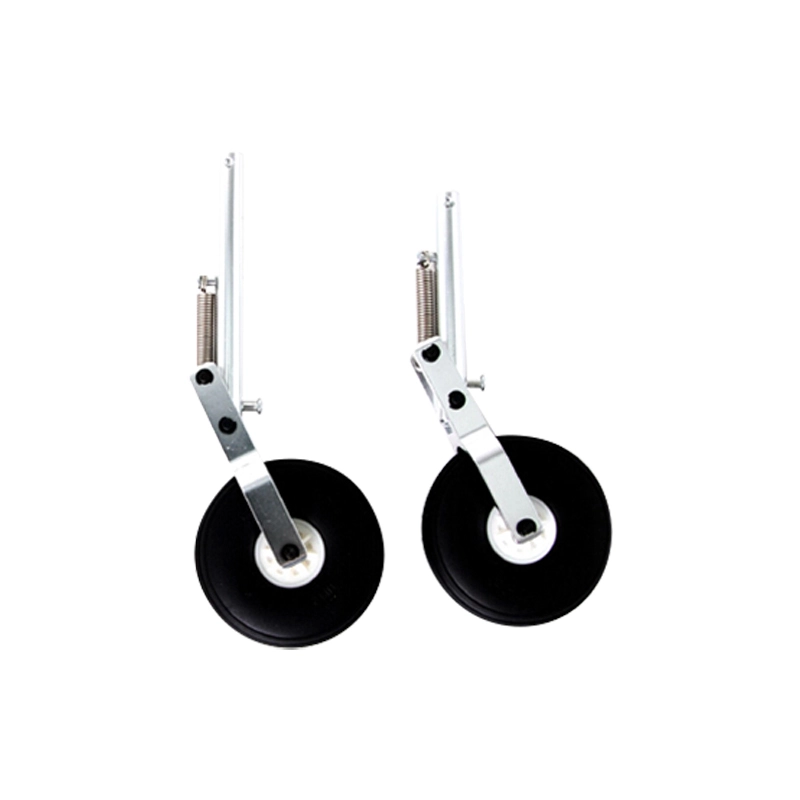
Assume you are already flying the pattern. If your plane has retractable landing gear and you are preparing to land, it is good practice to lower the gear on the upwind leg. This gives you time to check for any CG shift caused by the gear movement.
Once the gear is down and locked, hold roughly 30–40 feet above ground level on the downwind leg. This altitude is a general reference and can be adjusted according to wind, terrain and site conditions.
If your model has flaps, you may deploy the first flap setting near the end of the downwind leg. As you turn onto the base leg, gradually reduce throttle to start losing altitude. If you have full flaps and there is no strong headwind, you can extend flaps to their maximum position at this stage.
Key tip: Use throttle to control your altitude. Elevator adjusts the aircraft’s angle of attack and attitude relative to the horizon. Relying mainly on elevator to climb or descend will change airspeed rapidly and quickly lead to trouble.
Reduce power slowly so your model descends along a gentle, stable glide path, rather than dropping sharply. The goal is to reach final approach at a suitable height, avoiding an overly fast, high descent. Power is commonly kept below 50% on the base leg. As you turn onto final approach, adjust throttle to roughly 25%, with fine tuning for wind and obstacles.
Use ailerons for banking turns and keeping your wings level; coordinate with rudder for smooth, balanced turns. Once established on final approach, your main controls will be throttle, rudder and elevator (reserved for the final flare).
On final approach, use rudder to keep the nose aligned toward the runway, and manage throttle to control your descent rate. Elevator can tweak attitude, but remember that power is your primary tool for altitude.
As you get closer to the ground, continue reducing power gradually. This helps the model settle through ground effect — the air cushion close to the surface that tends to keep the plane floating. If flaps are deployed, take extra care not to slow the airspeed too much, or you may hit stall speed. A stall happens when wings no longer generate enough lift to support the model.
Important tip: Always fly the model all the way to the ground with some power. Some airframes have excellent glide performance and can land dead‑stick with throttle cut, but carrying a small amount of power is the safer habit to prevent unexpected stalls.
When you are lined up, wings level and power reduced, keep the nose roughly horizontal or slightly pitched a few degrees above the horizon. Avoid pulling too much elevator at low power, as this raises stall risk.
When your landing gear sits about six inches or less above the ground, you enter the flare zone. Slowly pull back on elevator while bleeding off extra speed. The aim is to let the main landing gear touch down first, with the nose gear settling gently after. Controlled elevator input during flare is the secret to a soft, successful landing.
That covers the fundamentals of landing. Like every RC skill, landing takes consistent practice. If you own a flight simulator, spend plenty of time rehearsing the pattern repeatedly.
Browse our Compo RC range of RC aircraft accessories to support your build and setup. Happy flying and safe landings!
Copyright © 2005-2026 MySite Ltd. All Rights Reserved. POWERED BY UEESHOP