EN

Introduction: A single-hole canopy latch holds an RC airplane canopy by locating the shell, pressing it toward the fuselage, and letting contact friction resist small movement.
When a first-time hobbyist opens a foam or electric model to reach the battery, receiver, or servos, the canopy latch can look almost too simple to matter. It is a small molded plastic part with one mounting hole, no spring, and no threaded insert. Its real job is easier to understand through three ideas: location, contact pressure, and friction. Those ideas explain why a tiny rc canopy latch can make a canopy feel seated, and they also show where the part’s role ends. The aim here is to explain the holding principle at concept level, not to turn a small accessory into a flight-safety promise.
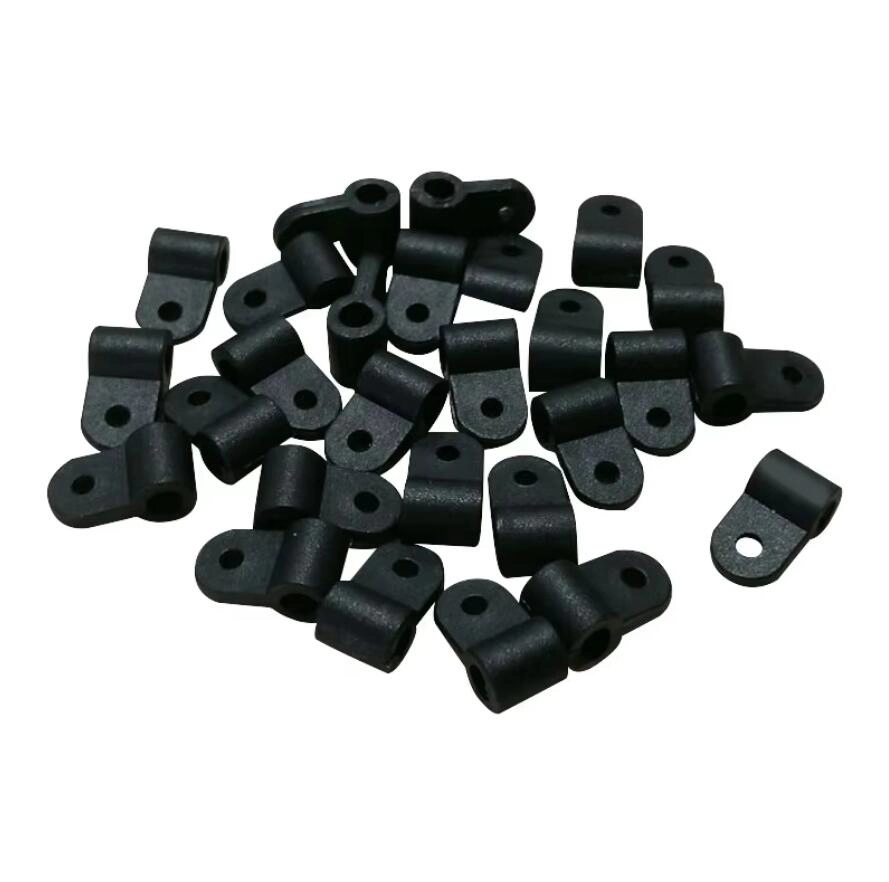
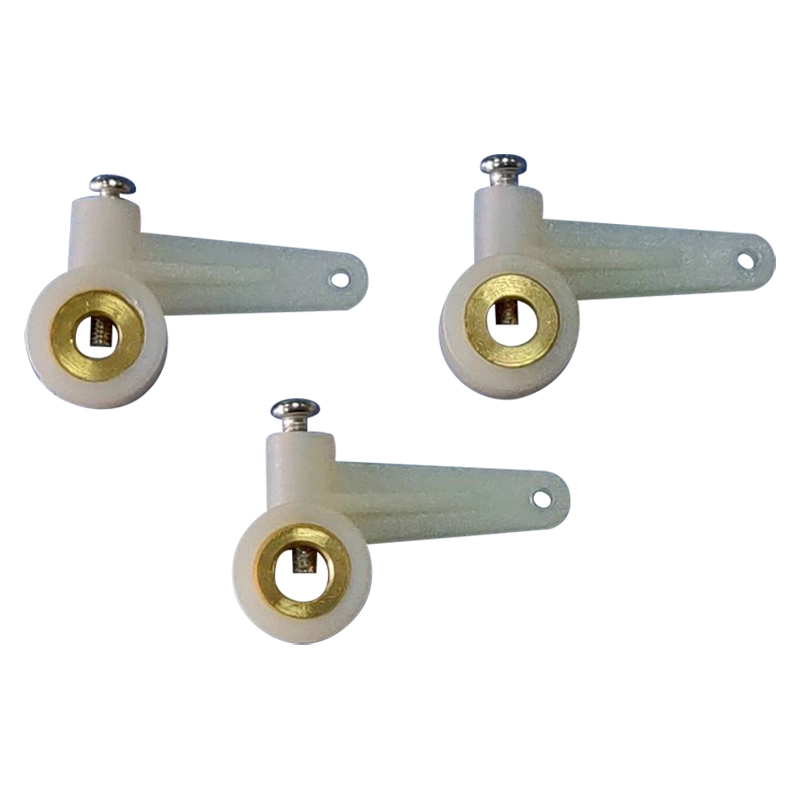
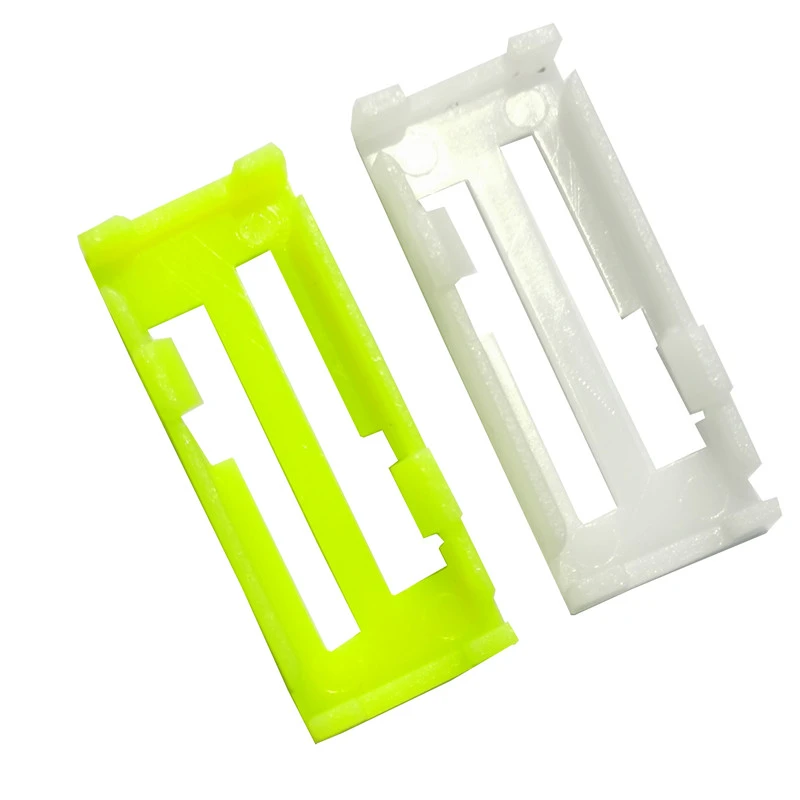
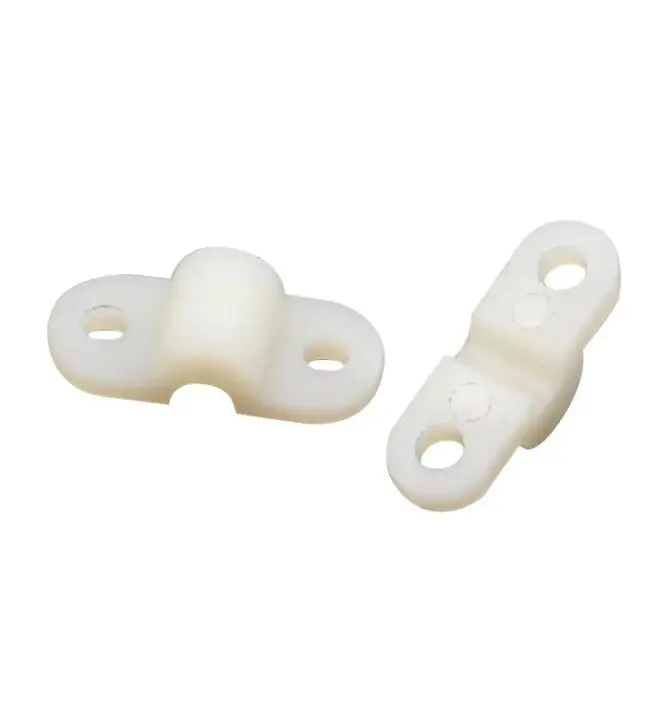
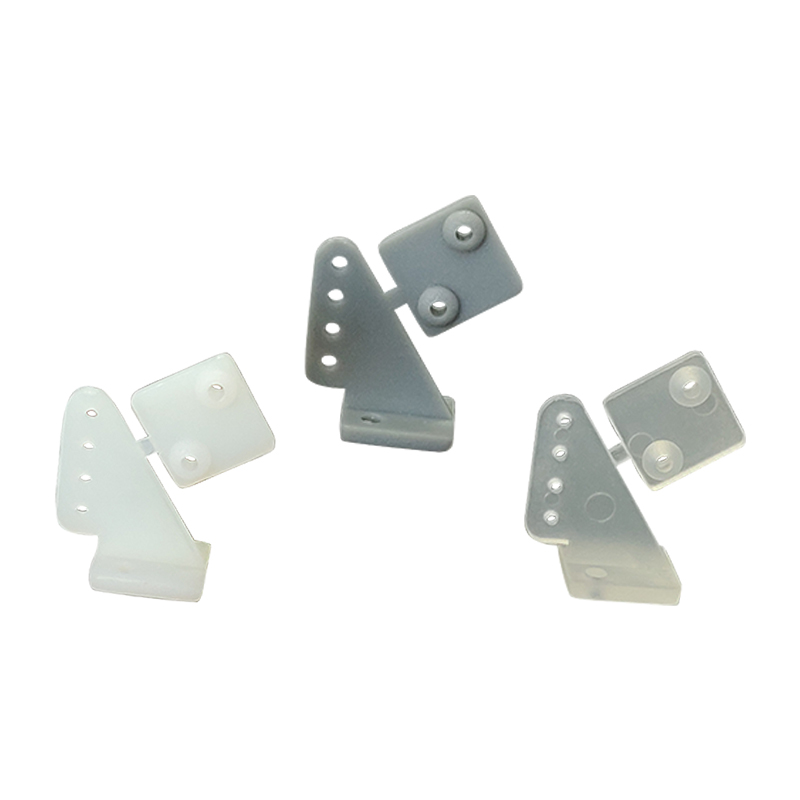
The latch sits at the boundary between canopy shell and fuselage. Its body provides a contact surface, and the single hole gives it a fixed attachment point. When the canopy is closed, the latch body meets the shell and holds it against the fuselage side. In everyday use, that is the difference between a canopy that feels loose and one that feels settled when a hobbyist lifts the model from the bench or checks it at the field. The confirmed description goes a step further and says the closed latch presses the canopy shell toward the fuselage and may reduce trailing-edge lift or shake. That is a useful picture of the load path: the latch is a small local clamp, not a decorative catch. The part is L23.5 mm long and is supplied as a five-piece set in black, white, and natural colors, so the basic form is easy to recognize.
The key action is pulling or pressing the shell toward the fuselage. As the latch closes, its body takes up the small gap between the canopy and the fuselage and leaves the shell in firmer contact with the airframe. The pressure is modest and local, but it changes how the canopy feels and moves. A hobbyist can notice this when opening the canopy for a battery swap: a latch with good contact makes the shell sit down again with a more solid feel, while a loose one leaves a slight lift or rattle. The listed wording about reducing trailing-edge lift or shake fits this contact effect. It describes the intended holding role, not a measured load rating.
The single mounting hole is the locating feature. It fixes the latch body at one point on the fuselage side, and that point controls where the plastic body meets the canopy shell. Because there is only one hole, the latch’s position and angle matter: the body needs to land on a sensible contact patch so the closing action presses the shell rather than missing it. The hole is noted as 3 mm in the product details, and the single-hole layout keeps the part simple. There is no spring, threaded insert, or special tool in the design. The molded plastic body is the working surface, so the shape and condition of that surface are part of the holding effect. A five-piece set with black, white, and natural options also makes it easy to identify the same basic part across different canopies.
Friction is the reason contact pressure matters. Basic physics explains that friction depends on the force pressing two surfaces together and on the nature of those surfaces. When the latch presses the canopy shell toward the fuselage, it increases the normal force at the contact patch. That added pressure helps the surfaces resist small sliding or lifting movement. The effect is not magic and it is not unlimited; it is the ordinary behavior of two surfaces held together. A clean, dry contact patch with a reasonable match between latch body and shell gives friction a better chance to do its job. Dust, oil, grass debris, or a very slick painted surface can reduce that grip, which is why the contact area and its condition deserve attention. Lightweight aircraft structures put a premium on simple, low-mass parts, and a molded plastic latch fits that approach. The absence of a spring is important to the mechanism. A spring-loaded latch creates pressure through spring tension, but this single-hole canopy hatch lock latch relies on the molded body, the closing position, and the contact between the latch and shell. That makes surface contact more important than spring force. If the latch body sits flat against the canopy and the shell is pulled toward the fuselage, the contact patch can carry the small loads that cause rattle or edge lift. If the body only touches at a tiny point or sits slightly away from the shell, the same latch has less useful friction to work with. This is why two canopies can feel different even with the same latch: the contact patch, shell stiffness, and surface condition all shape the result, and a simple rc canopy lock works in this contact-led way.
In flight, a canopy latch is a local fixing part. It can hold the canopy shell in firmer contact with the fuselage and reduce the small movements that show up as rattle, edge lift, or shake. That is a real benefit for a model that is handled often and opened for battery changes. It is still one small plastic part in a larger airframe. Canopy security also depends on the hinge or locating tabs, the fuselage structure around the canopy opening, the shell’s stiffness, and the condition of the canopy itself. The latch helps with contact; the rest of the canopy security comes from the airframe, the hinge or locating features, and a careful preflight look. The practical reading is straightforward. A hobbyist should expect the latch to press the shell, add friction, and make the canopy feel more settled. A pilot should still lift the model, look at the canopy edge, and confirm that the shell sits down properly before a flight. Load rating, service life, weather data, and model-specific compatibility are not listed for this part, so those details belong to the airframe and to the user’s own checks. That is a simple contact-based latch, and understanding it that way keeps expectations in the right place.
A single-hole canopy latch is easiest to understand as a locating and pressing part. The one hole sets its position, the plastic body creates a contact patch, and closing the latch brings the canopy shell toward the fuselage so contact pressure and friction can resist small movement. The listed description of reducing trailing-edge lift or shake fits that mechanical role. For a first-time hobbyist, the useful takeaway is to look at the contact patch and the way the shell sits, not to expect a small plastic latch to carry flight safety on its own. Readers comparing canopy hardware can use the confirmed details—length, hole note, pack count, and color options—as identification facts while keeping performance claims in perspective. A listing such as the Compo RC five-piece set is one place to compare those identification facts.
A: It uses one mounting hole to fix the latch body in place, then the closed body presses the canopy shell toward the fuselage. That contact pressure gives the shell a firmer seat, and friction at the contact patch resists small lifting or sliding movement. The latch is a simple locating and pressing part rather than a spring-loaded clamp.
A: This latch has no spring. Its pressure comes from the molded body meeting the canopy shell when the canopy is closed. A broad, clean contact patch lets friction do more useful work, while a small or dirty contact point gives the latch less to press against. That is why the fit between latch body and shell matters so much.
A: A single-hole canopy latch is one part of canopy security. It can press the shell, reduce small movement, and help the canopy feel seated, but flight security also depends on the canopy structure, hinges or locating features, and the condition of the model. A preflight check of the canopy edge and latch contact remains the practical habit.
Copyright © 2005-2026 MySite Ltd. All Rights Reserved. POWERED BY UEESHOP