EN

It is normal to push aircraft up to, and sometimes beyond their operating limits during testing. Phrases like “controlled landing”, “dirt nap”, or “aggressive de‑kitting” are well‑known inside the RC hobby. The very first piece of advice I give brand‑new students is simple: Do not fear crashing — every pilot experiences it.
When new pilots worry less about crashing, they stay calmer, keep better awareness, treat their model with respect, and build habits that lead to safer, more enjoyable flying.
I live by this old saying: Fail to plan, plan to fail. Before every flight, mentally run through what you would do if an in‑flight emergency occurs. Thinking through worst‑case scenarios ahead of time can greatly reduce damage if something goes wrong.
Potential risks vary depending on your aircraft type — whether it is a gas‑powered plane, EDF jet, seaplane, or multi‑engine model. Some risks are universal, while others are model‑specific. For example, when flying a twin‑engine aircraft, rehearse how you will respond if one motor cuts out. You should not be figuring out your response when the failure actually happens; it needs to become instinct. For a twin‑engine model suffering one engine loss, increasing throttle on the remaining working motor will almost always make the situation far worse.
No matter which aircraft you fly, here are key steps to follow from the moment trouble appears until your model hits the ground. Keep one core mindset in mind: Fly through the crash.
One of the most valuable steps comes after the crash: complete a post‑crash review. Treat every crash as a learning opportunity. Could this incident have been prevented? Did you reverse aileron channels, leave servo wires unsecured, skip CG balancing, lose orientation mid‑flight, or run into battery and ESC overload issues? Figure out the root cause and adjust your setup or flying habits for next time. Sometimes failures happen through no fault of yours: servo failure, mid‑air collision and other unexpected events. Remember crashing is part of this hobby. If it is your very first crash, you have officially joined the large group of pilots who have experienced a “dirt nap”. You are most welcome!
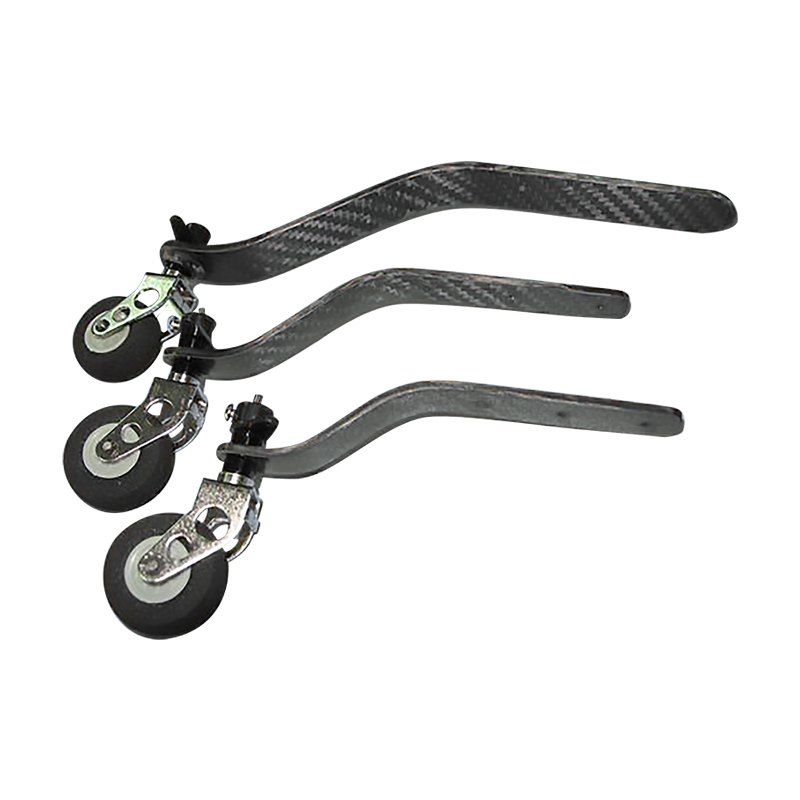
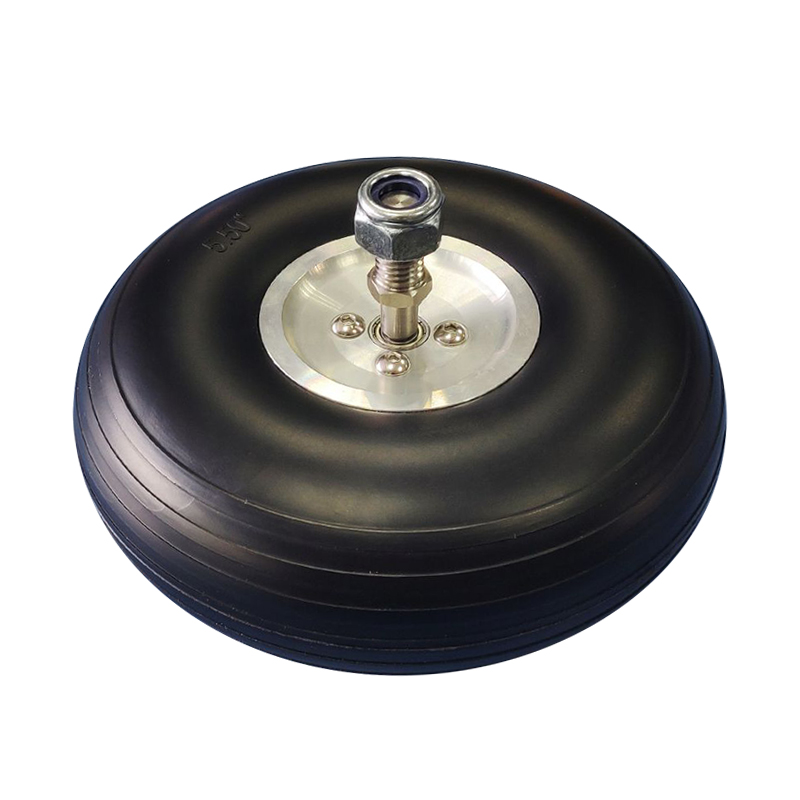
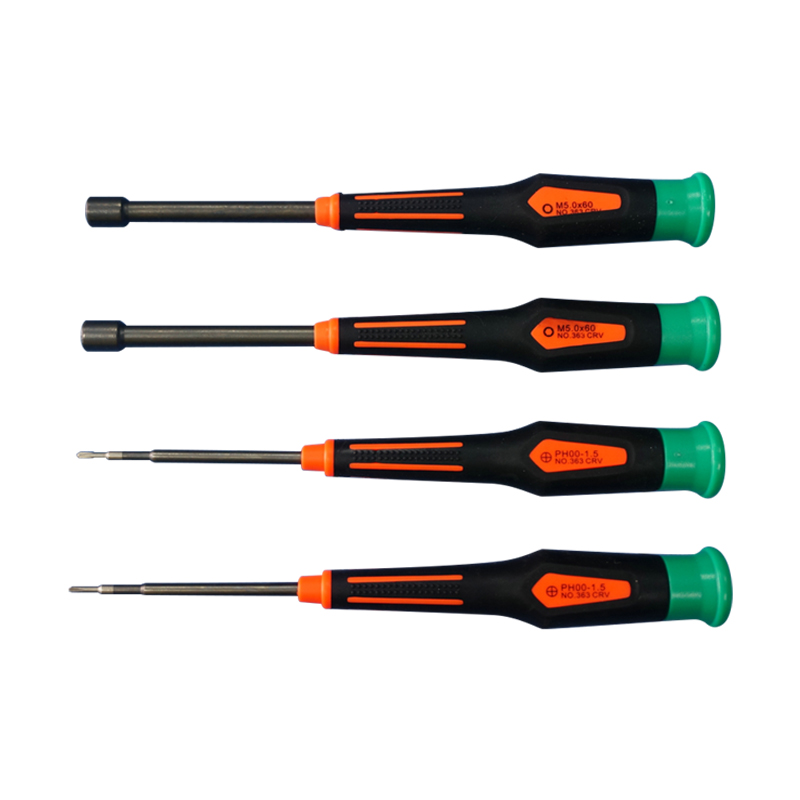
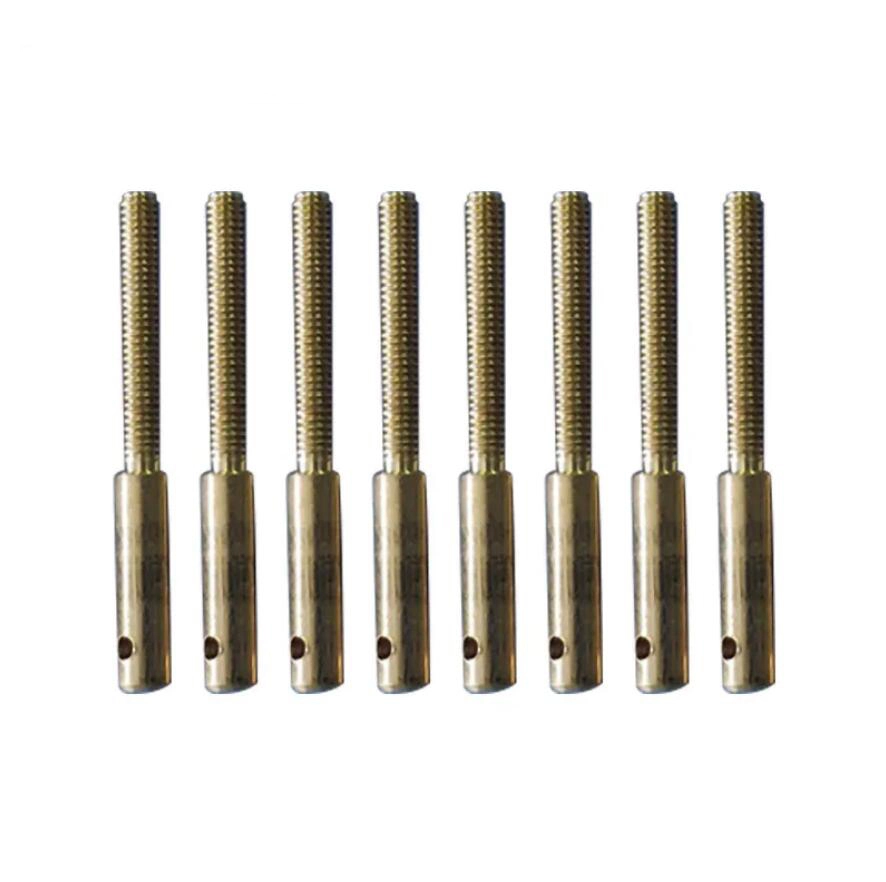
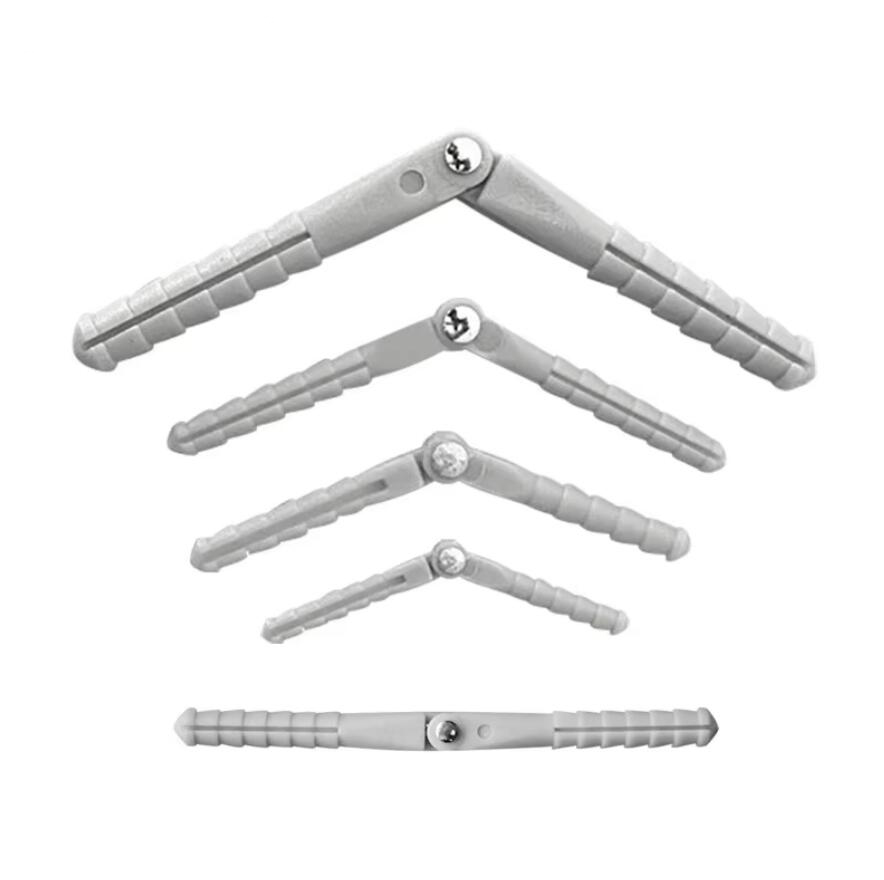
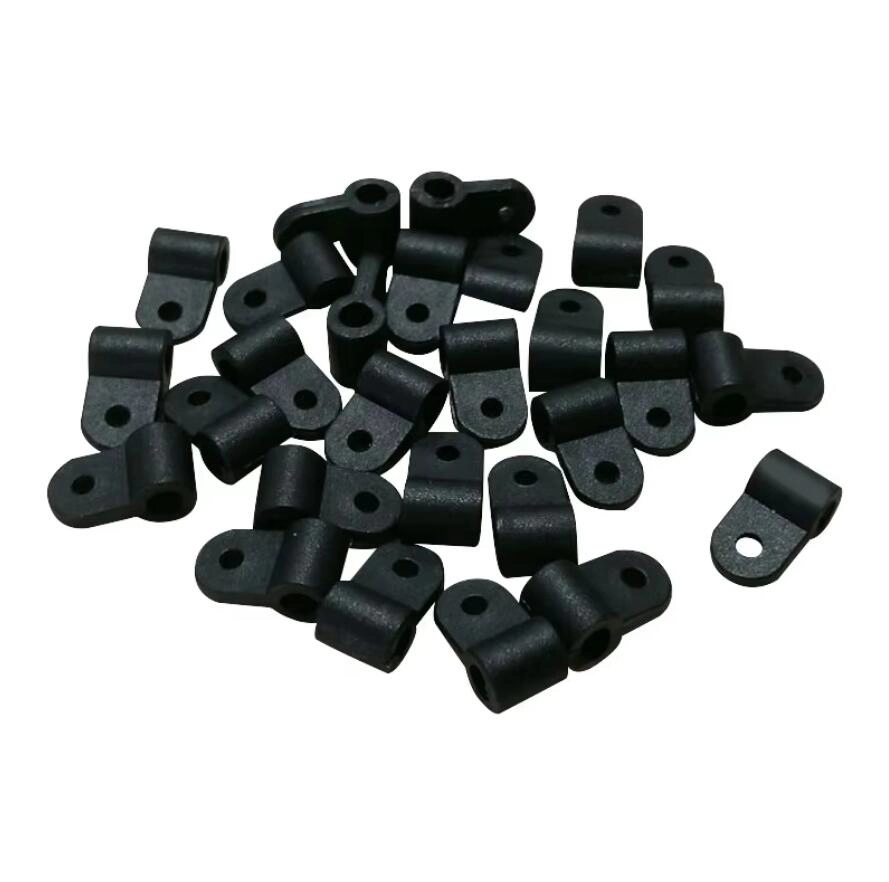
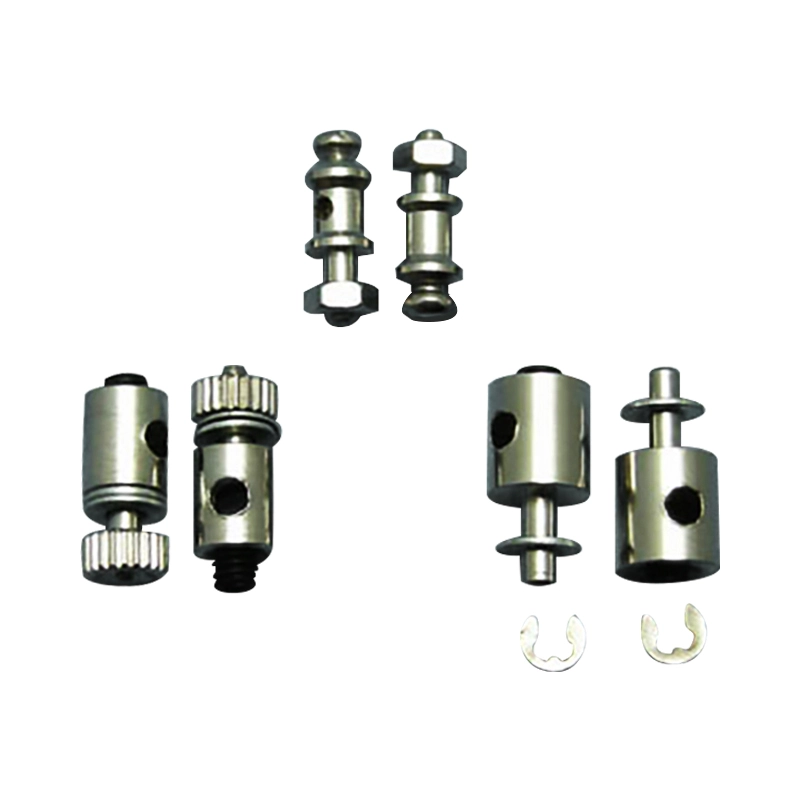
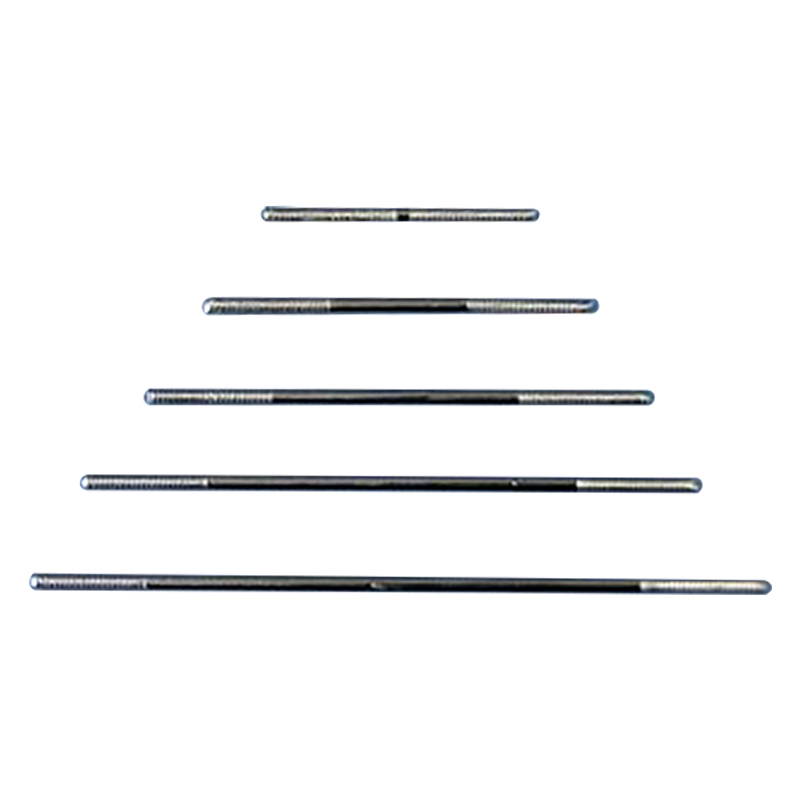
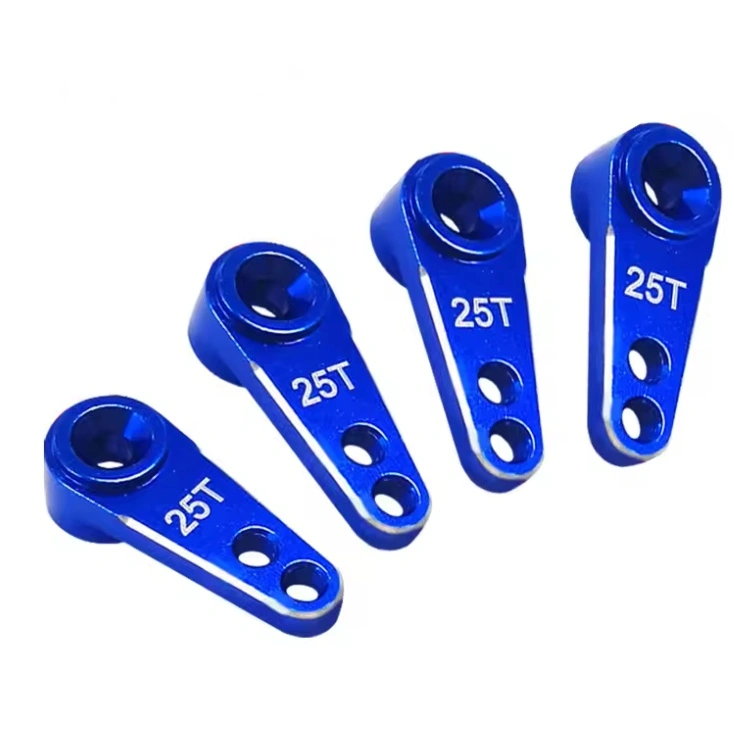
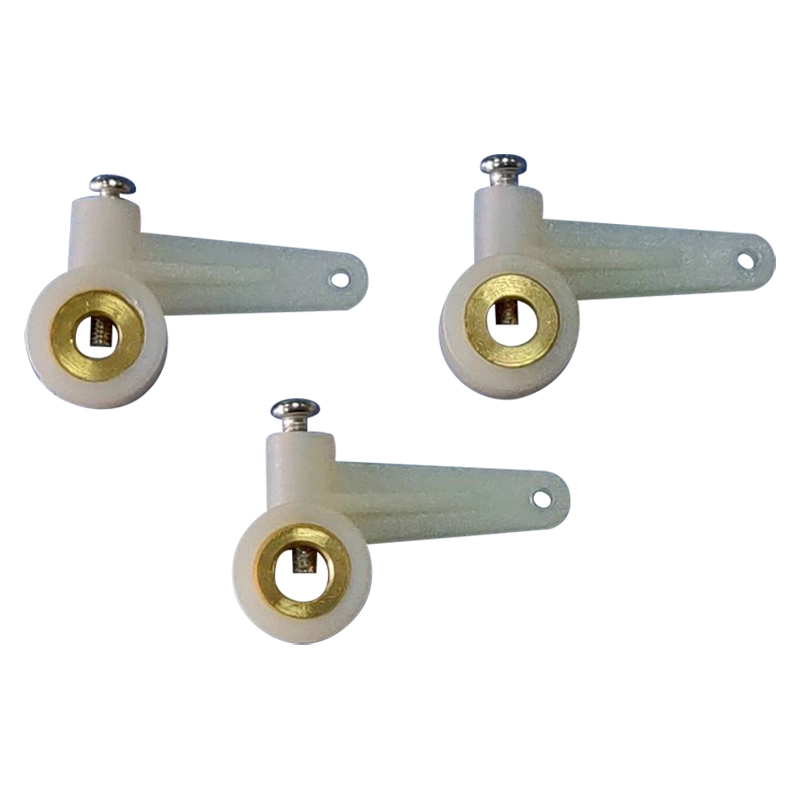
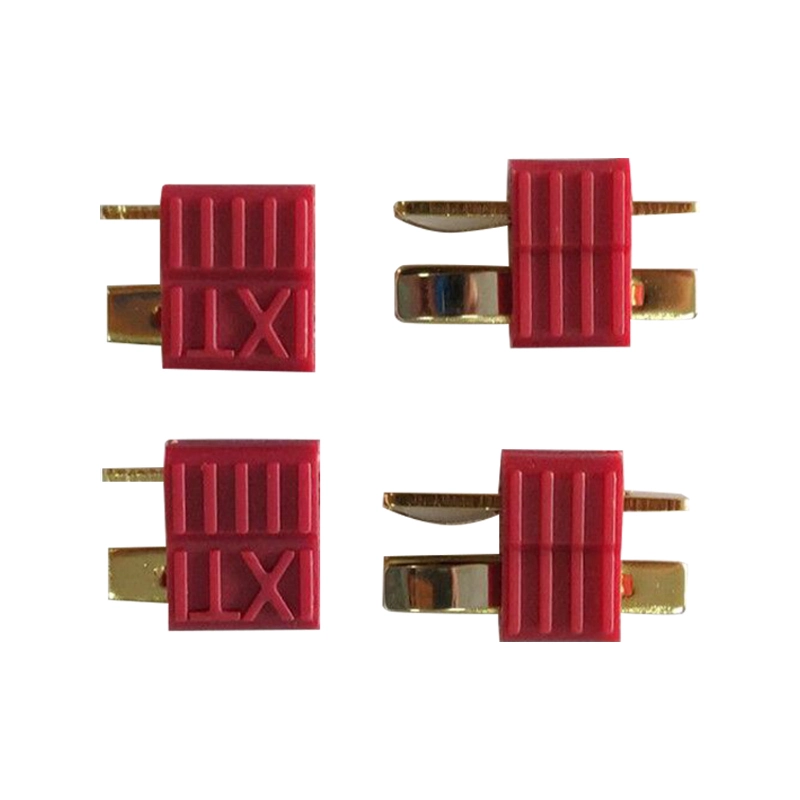
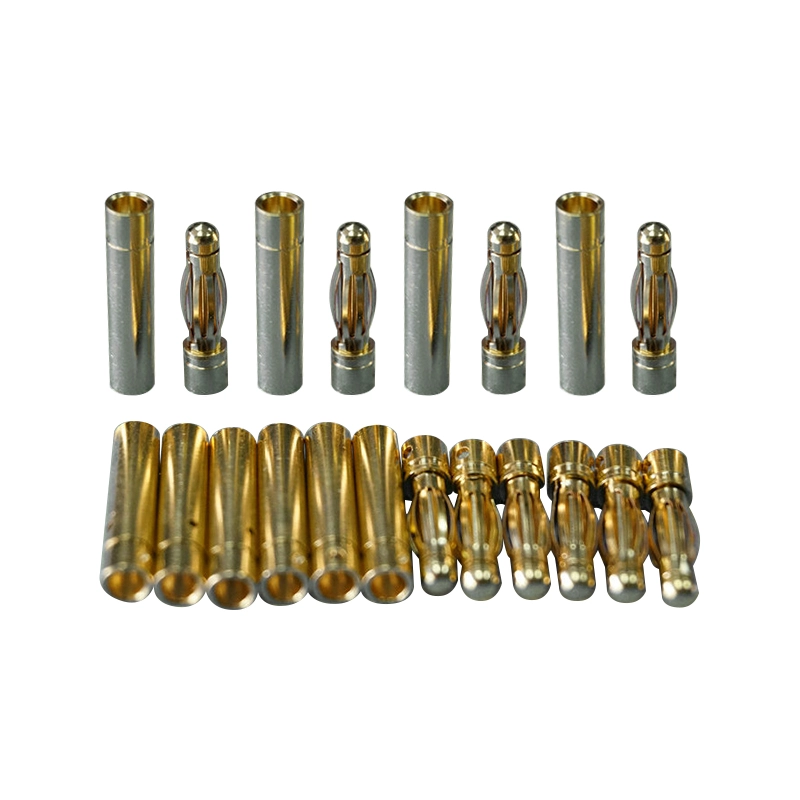
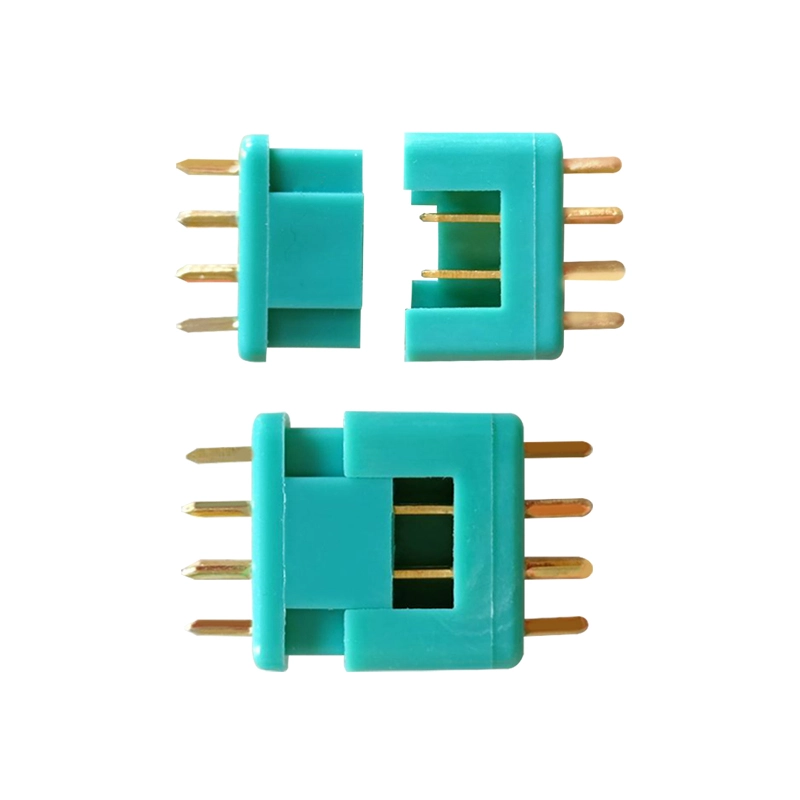
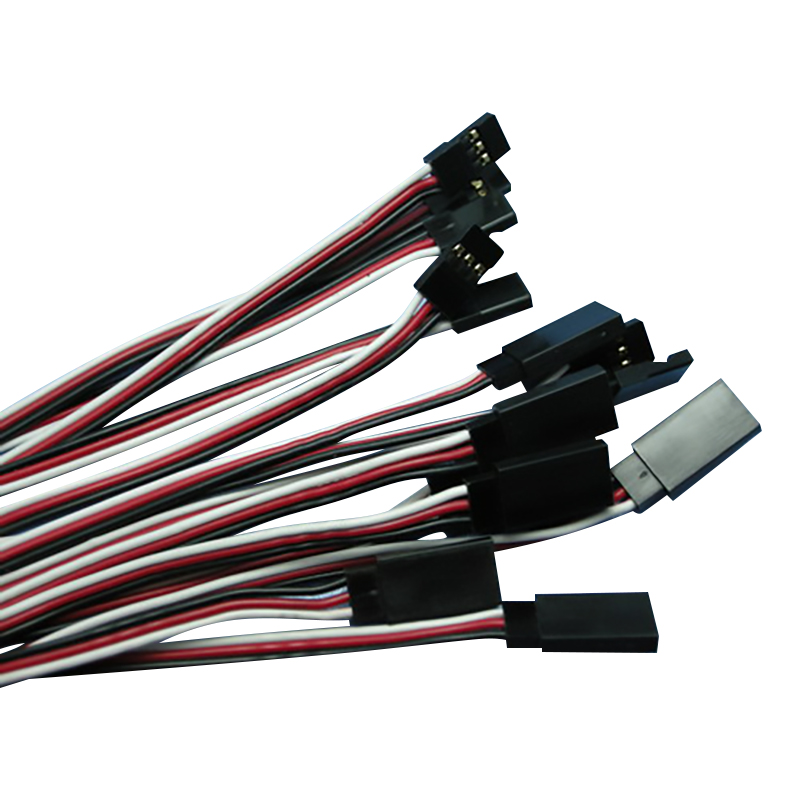
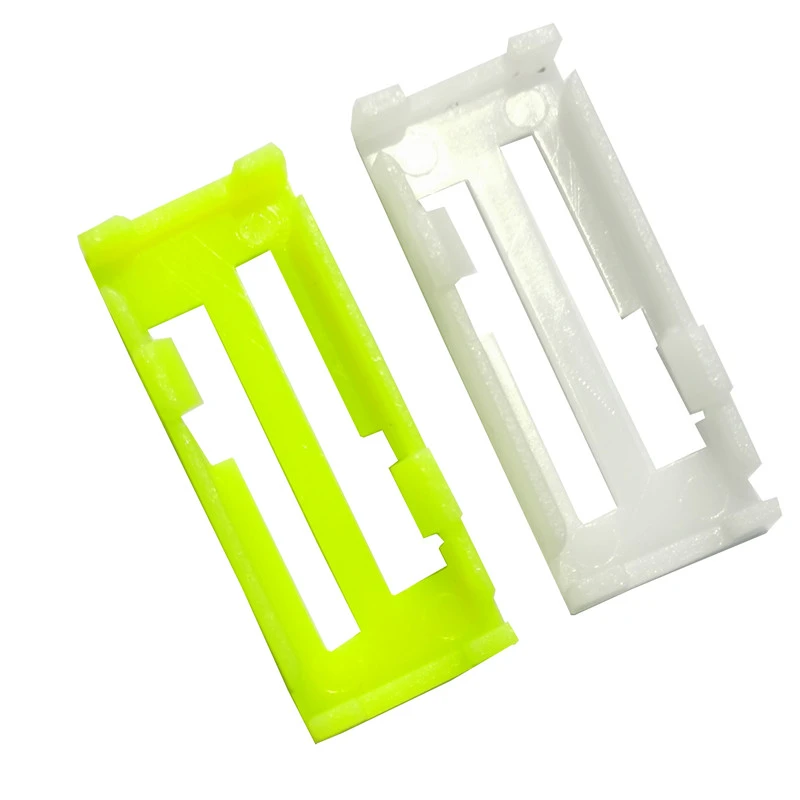
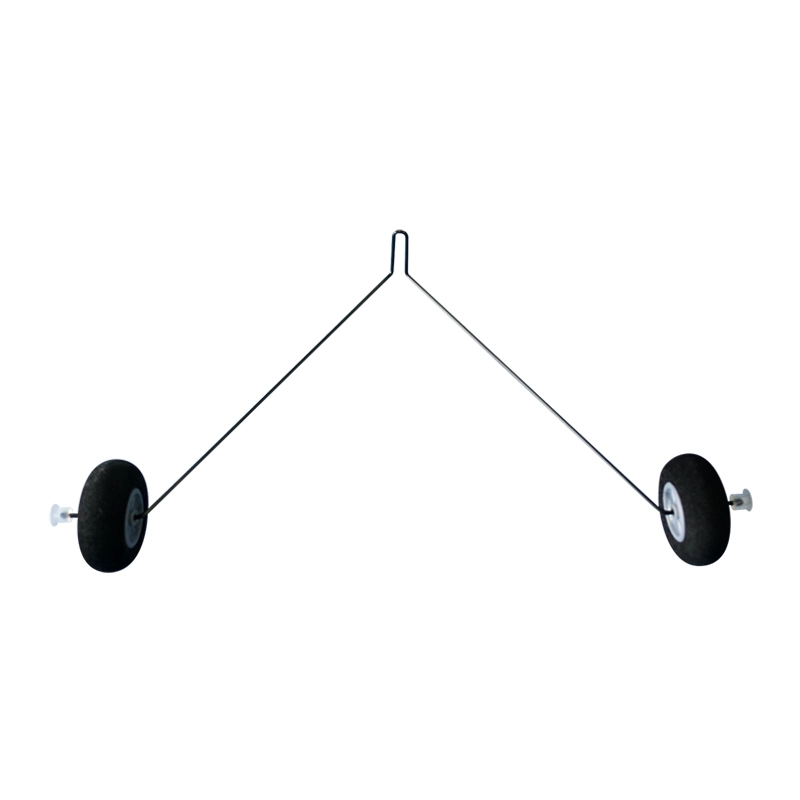
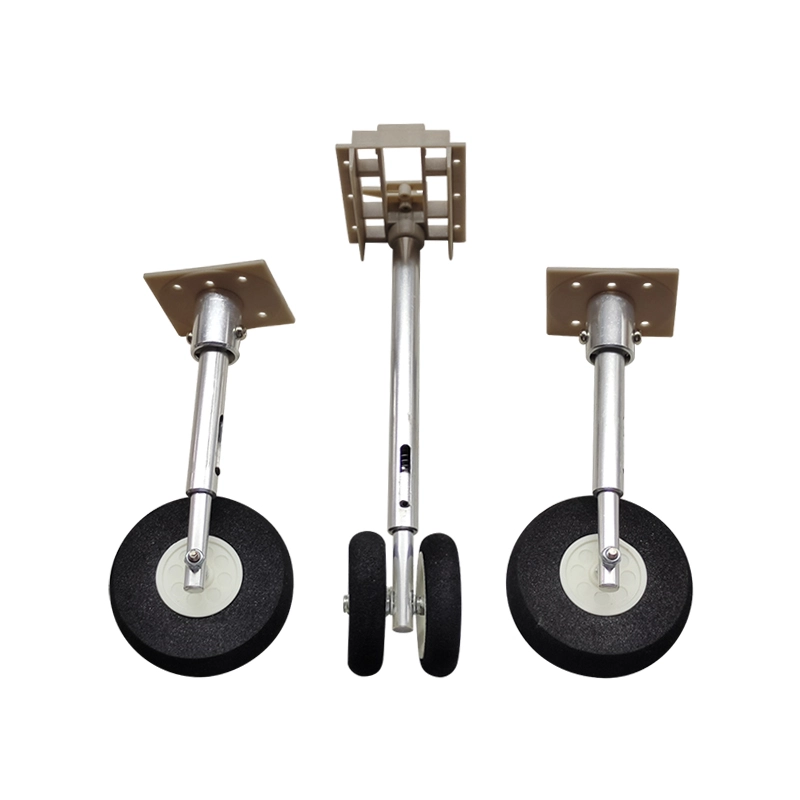
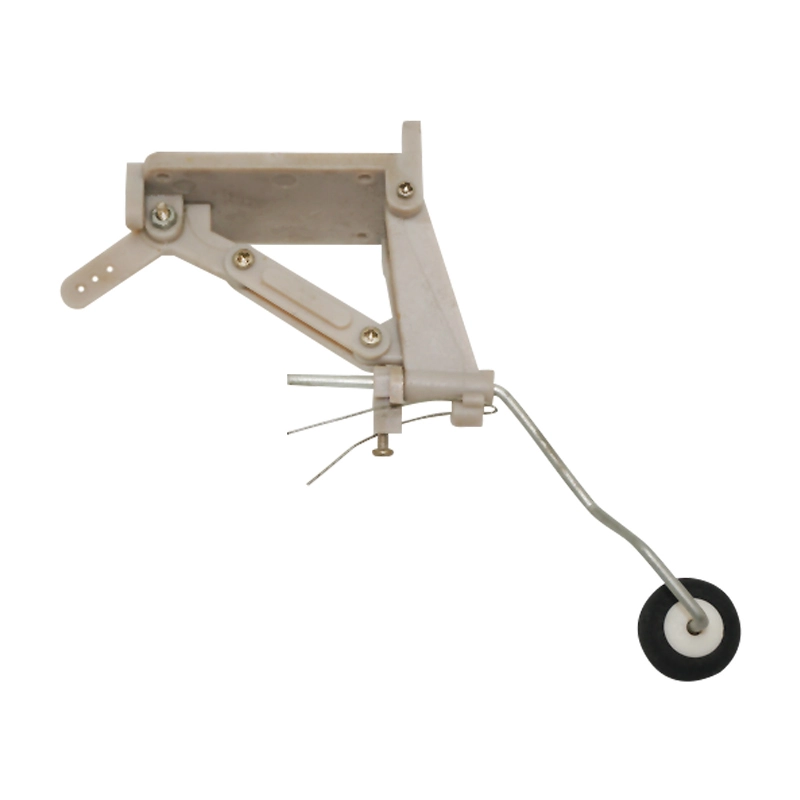
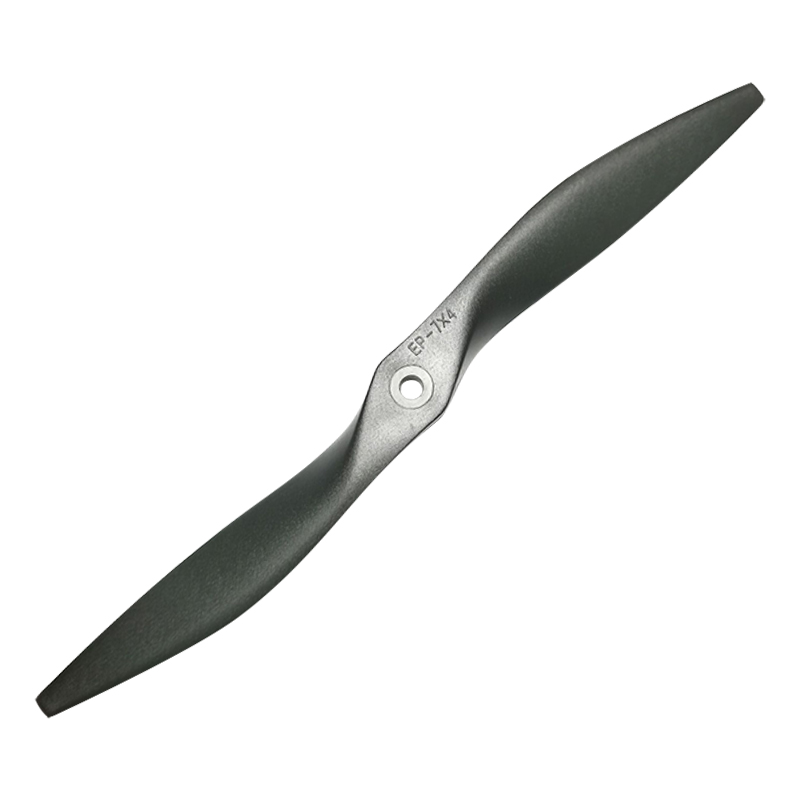
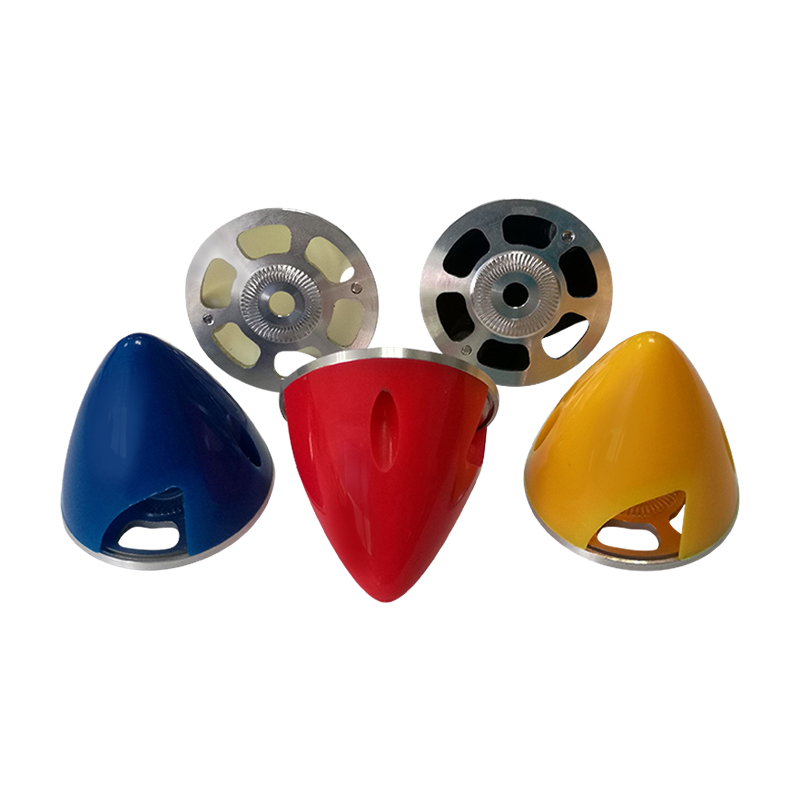
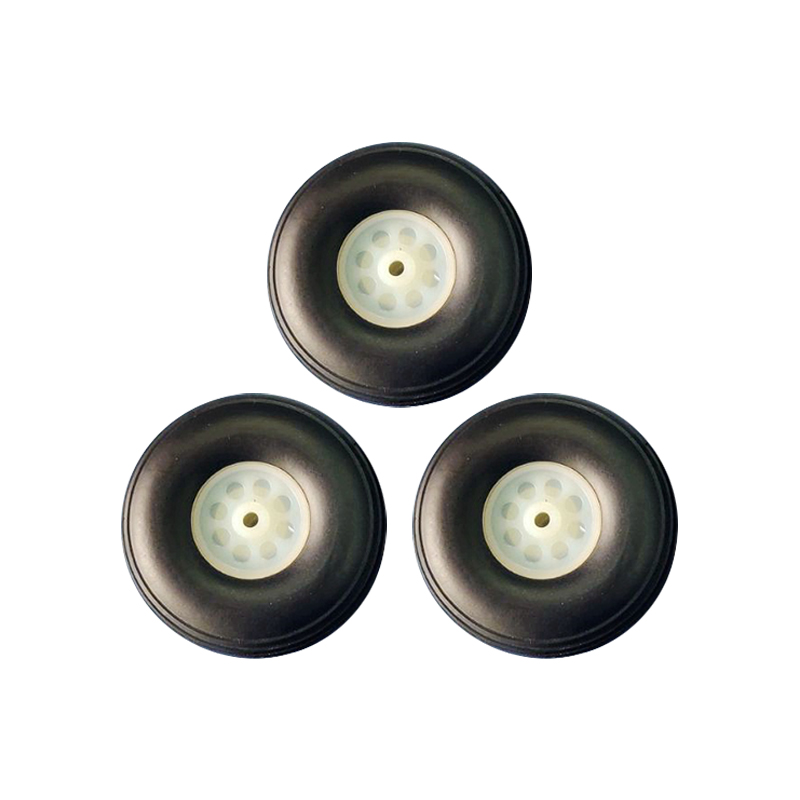
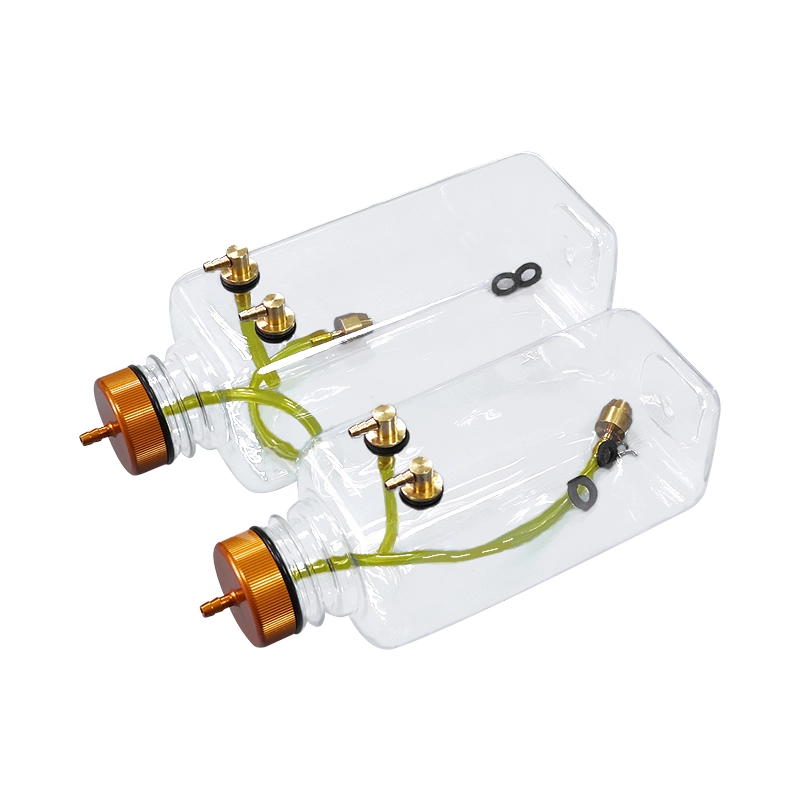
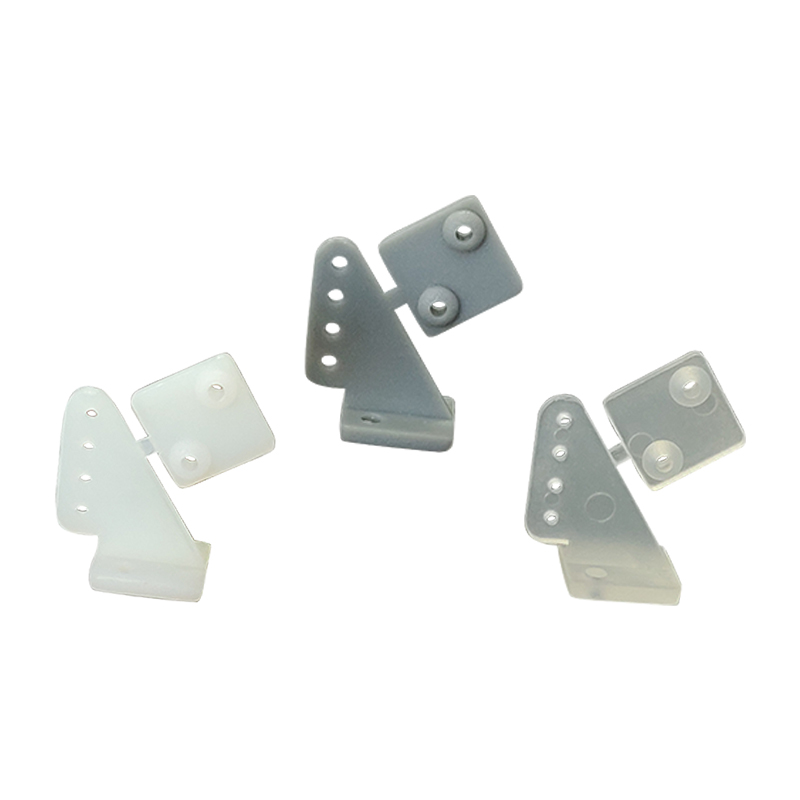
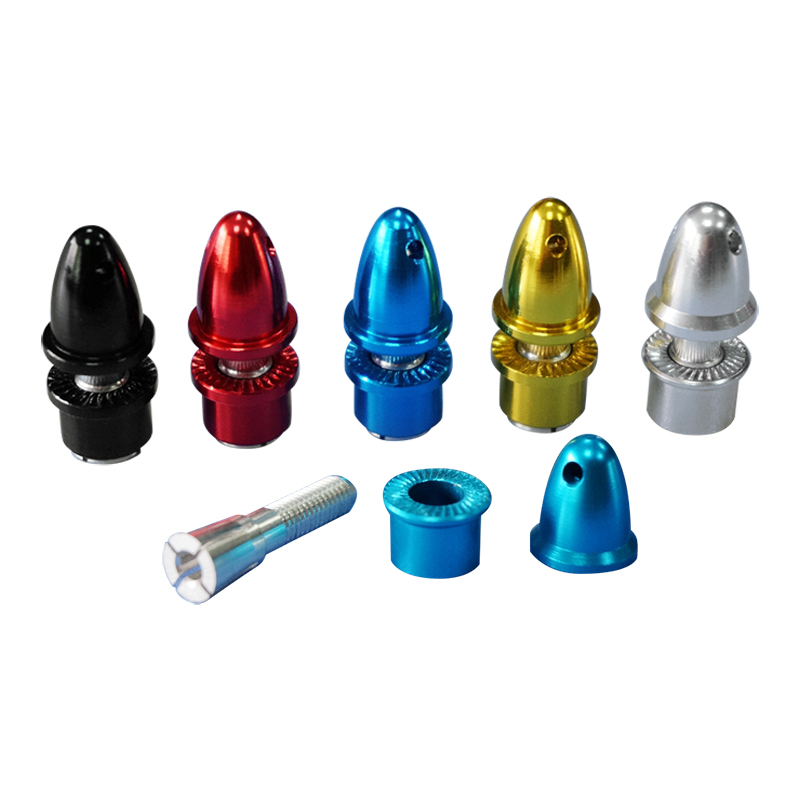
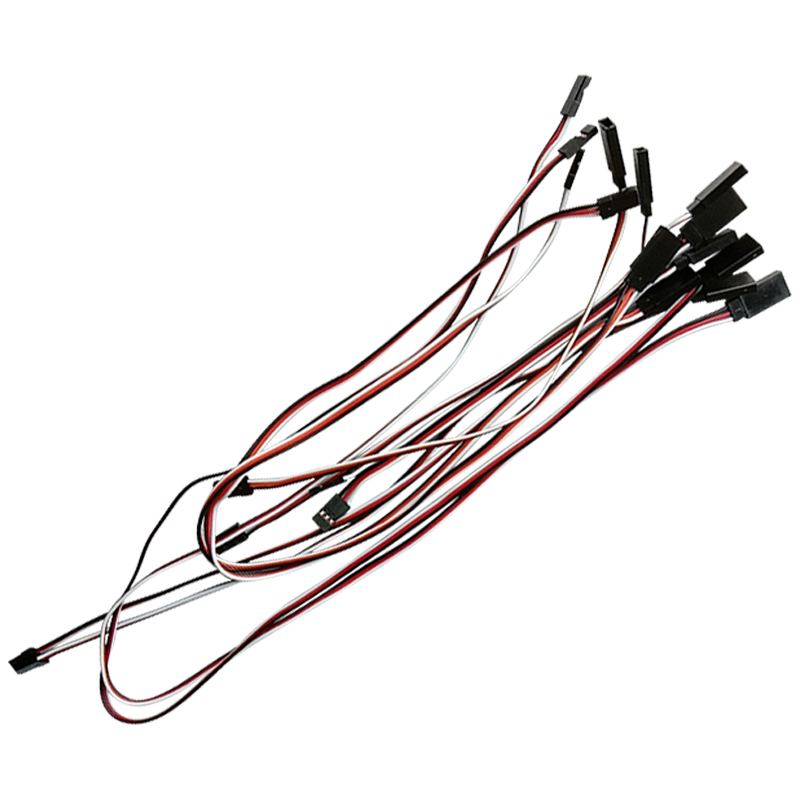
Browse our Compo RC range of RC aircraft accessories to support your build and setup. Happy flying, and land safely!
Copyright © 2005-2026 MySite Ltd. All Rights Reserved. POWERED BY UEESHOP